

Commercial Roofing appointment setting

Pipeline Built for Commercial Roofing Contractors

Your crews are booked. Your sales pipeline isn't. We put your team in front of the property managers, facility directors, and building owners who are actively planning re-roofs, repairs, and maintenance right now.

Ask Ava anything about roofing prospecting

The short answer

How do commercial roofing contractors win new commercial customers?

Commercial roofing is a replacement business that is won through service. A reroof is a capital decision an owner makes once in a long while, and the contractor who gets the call is usually the one who has been on that roof doing inspections and leak repairs. The outbound job is to get onto the roof before the budget exists: book the inspection, document the condition, and become the contractor whose report sits in the file when the replacement gets funded. Most of these buyers already have a contractor, so new accounts come from a target list built around the right buildings, contact with the people who sign, and follow-up timed to their roof age and budget cycle. An outsourced appointment-setting team runs that work as an extension of yours and puts qualified meetings on your calendar.

  1. 01Pick the buildings

    Buildings with large low-slope roofs or roof age on them, owned or long-managed, inside the area your crews can reach quickly for a leak call.

  2. 02Reach the right people

    Start with the maintenance manager or building engineer for roof facts, then the facility director, property manager or owner who approves the spend.

  3. 03Call with a reason

    Storms, budget season, warranty end, ownership or manager change, leaks over sensitive space.

  4. 04Learn the timing

    Roof type and approximate age, last inspection, leak history, warranty status, current contractor, who approves capital, when the budget is set, number of buildings.

  5. 05Stay in touch until it's time

    Re-contact before budget season and after every significant storm; share inspection findings and options when a roof is aging but unfunded.

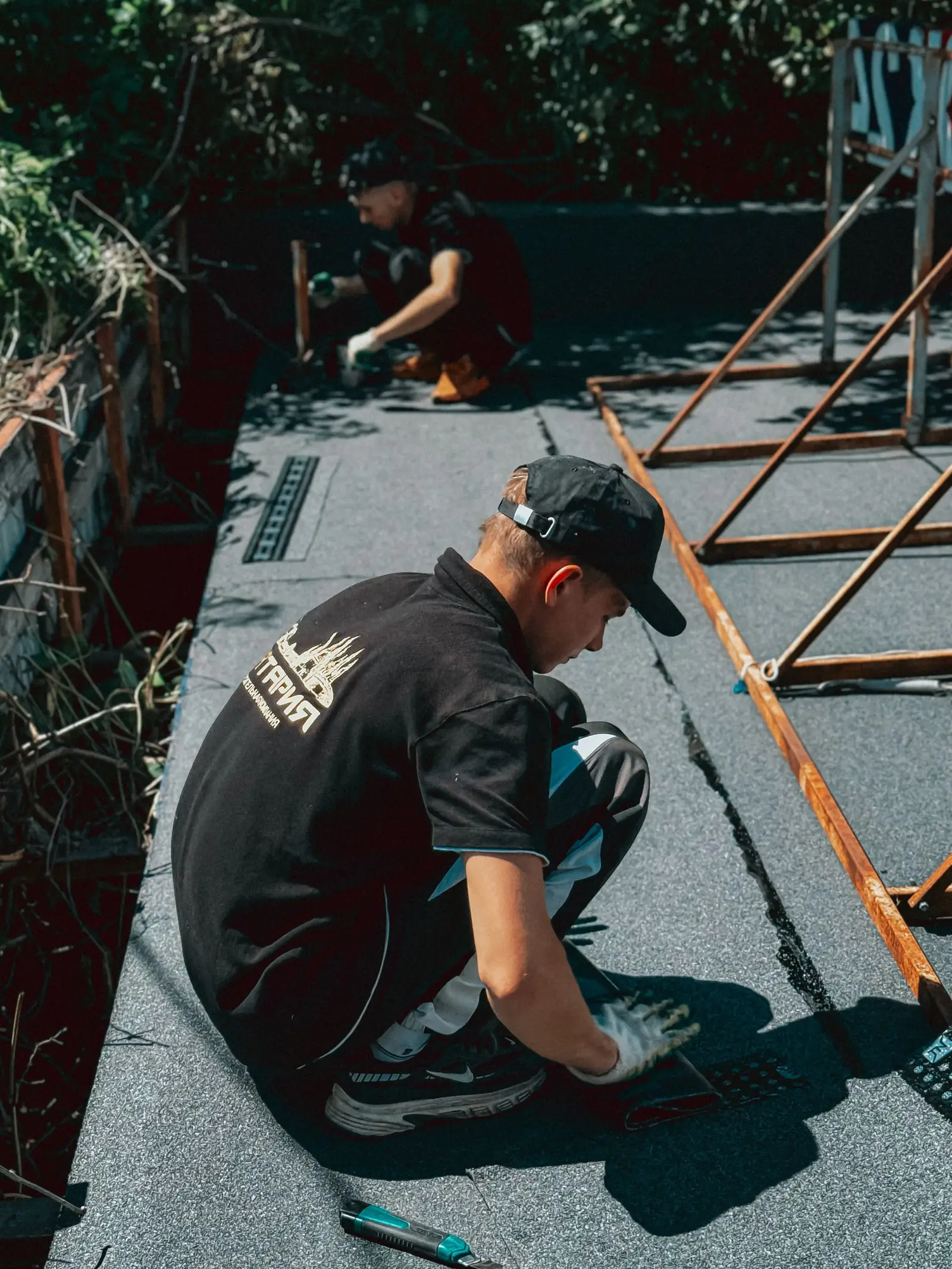
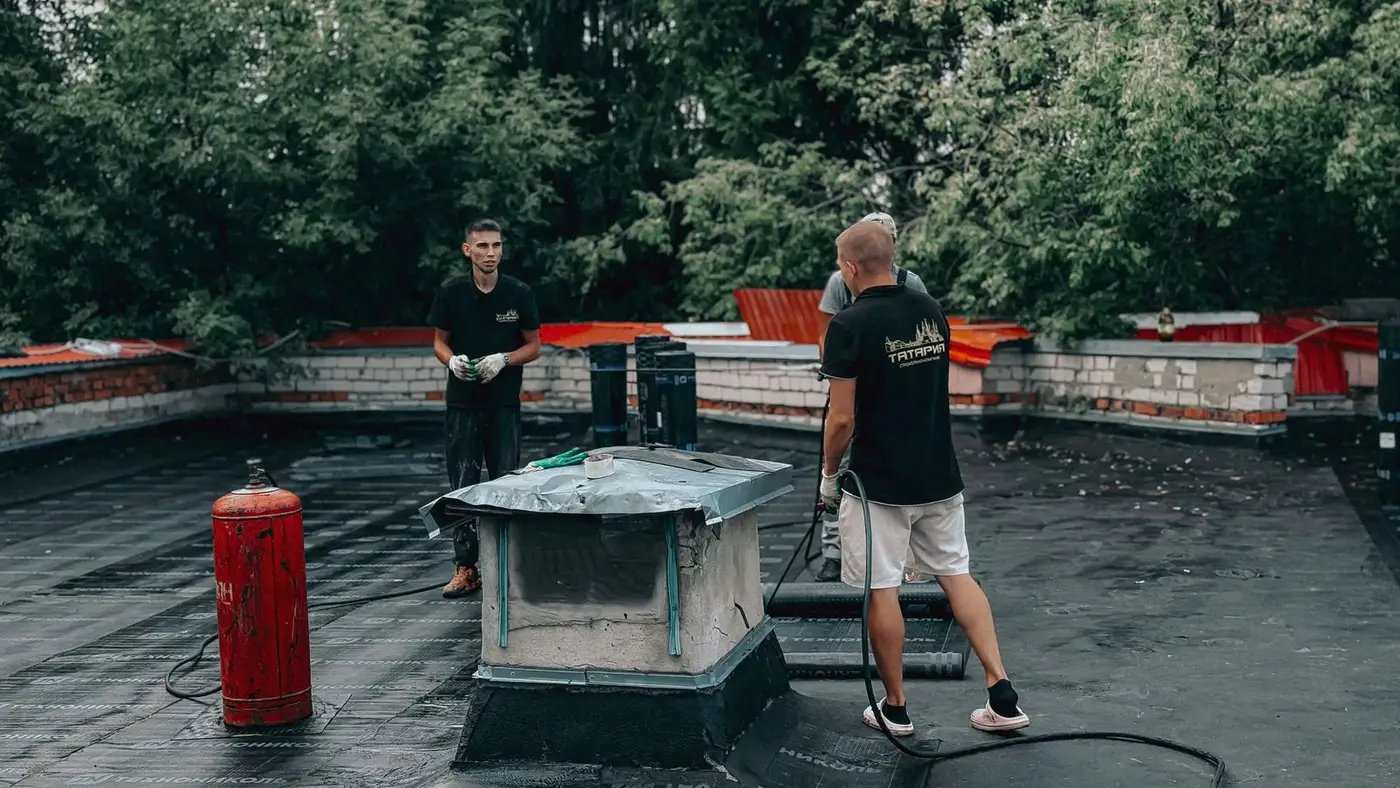
Two roofers working on a flat commercial roof
Your crews do the roofing work.Our SDRs keep the calendar full.
From our sales center

What it takes to book a roofing meeting

924,965prospecting calls
6,606appointments set
140dials per appointment
25.9%of opportunities reached a proposal
16.1%of proposals were won
Abstrakt SDRs on calls in our sales center
Our U.S.-based SDRs, Abstrakt sales center

Ten roofing meetings a month takes about 1,400 dials: roughly 67 every working day, every month. Who is going to do it?

We are, and we love it. Our U.S.-based SDRs make those calls every day and keep the activity going through every season, so your team can walk buildings, price the work and close. Compare it with hiring an SDR yourself.

Prospect industries, fewest dials per appointment first

  1. Hospitality83
  2. Healthcare Services84
  3. Government85
  4. Arts & Recreation105
  5. Real Estate108
  6. Education109
  7. Organizations (Non-Profit)109
  8. Utilities114

Titles that book fastest

  1. Building Engineer59
  2. Maintenance Director64
  3. Chief Engineer66
  4. Engineering Director68
  5. Maintenance Manager88
  6. Project Manager90
  7. Maintenance Supervisor91
  8. Facilities Supervisor92

Run your own roofing numbers

1,400dials a month
67dials every working day
0proposals a month at our rate
0wins a month at our rate
$0in new roofing work a year, if that pace holds
Have our SDRs make those dials →

Estimates from national averages in our sales-center data: 140 dials per appointment, 25.9% of opportunities reaching a proposal and 16.1% of proposals won. Historical results, not a promise.

Dials per appointment, national roofing programs. Source: Abstrakt sales center, Performance Intelligence, 2026-10. Rows with fewer than 30 opportunities are left out. Historical results, not a promise.

The roofing prospecting playbook

Everything your SDR needs to open roofing accounts

What makes a building worth calling

Commercial roofing is a replacement business that is won through service. A reroof is a capital decision an owner makes once in a long while, and the contractor who gets the call is usually the one who has been on that roof doing inspections and leak repairs. The outbound job is to get onto the roof before the budget exists: book the inspection, document the condition, and become the contractor whose report sits in the file when the replacement gets funded.

  • Large low-slope roofs

    Warehouses, plants, big-box retail and older office buildings carry the most square footage per decision and the most maintenance need.

  • Owner-occupied or long-hold buildings

    Owners who plan to keep a building fund restoration and replacement. Short-hold investors patch and defer.

  • A roof with age on it or a history of leaks

    Age and leak history are the two facts that predict a replacement conversation, and both come out on a good call.

  • A warranty that is ending or has ended

    When the manufacturer warranty runs out, the owner loses the safety net and starts paying attention to condition.

  • Several buildings under one decision-maker

    Portfolios, campuses and multi-site operators let one relationship cover many roofs and a steady inspection route.

Who buys roofing work, and how to open the conversation

Warehousing and distribution
Buys
Large-area flat roof inspections, maintenance programs, coatings, reroofs
Reach
Facility manager, operations manager, regional property manager
Opens the door
Lease renewal, new tenant, building sale, roof leaks over inventory

Square footage and protecting what is stored underneath. Ask how old the roof is and who owns it, tenant or landlord.


Manufacturing plants
Buys
Inspection programs, leak repair around rooftop equipment, restoration, phased replacement
Reach
Plant engineer, maintenance manager, plant manager
Opens the door
Expansion, new equipment on the roof, leaks over production lines

Downtime and work around production. Phased work and night or weekend scheduling matter here.

Commercial property management firms
Buys
Portfolio inspections, maintenance agreements, budget-ready condition reports
Reach
Property manager, regional facilities director, asset manager
Opens the door
Budget season, new property under management, acquisition due diligence

Budget accuracy and owner reporting. A clear condition report helps them justify capital to the owner.

Commercial building owners and lessors
Buys
Condition assessments, restoration, reroofs, warranty work
Reach
Owner, asset manager, director of property operations
Opens the door
Refinancing, sale or purchase, tenant turnover, capital planning

Asset value and avoiding surprise capital calls. Ask how they plan roof spend across their buildings.

Retail stores
Buys
Flat roof maintenance, leak response, coatings, replacement at remodel
Reach
Store or regional facilities manager, landlord property manager
Opens the door
Remodel, leaks over the sales floor, lease renewal

Leaks in front of customers. Qualify early whether the store or the landlord owns the roof.

Churches and religious organizations
Buys
Inspections, repairs, replacement of older and steep-slope roofs, flashing
Reach
Facilities committee chair, business administrator, senior pastor at smaller congregations
Opens the door
Capital campaign, visible leak or interior damage, building committee review

Stewardship and a long horizon. Decisions often go through a committee, so expect more than one meeting.

Private K-12 schools
Buys
Summer reroofs, restoration, inspection programs
Reach
Business manager, facilities director, head of school at smaller campuses
Opens the door
Summer project list, capital campaign, new building

The summer window. Roof projects are decided in winter and early spring so the work can happen while students are out.

Hotels
Buys
Inspection programs, leak repair, restoration, replacement tied to renovation
Reach
Director of engineering, chief engineer, general manager
Opens the door
Brand-required renovation, ownership change, guest-room leaks

Guest impact and the renovation calendar. Leaks into guest rooms are the pain point.

Apartment property management firms
Buys
Multi-building inspections, repairs, replacement programs across communities
Reach
Regional property manager, maintenance supervisor, asset manager
Opens the door
Acquisition, insurance review, resident leak complaints

Many roofs under one office. A portfolio inspection plan is a strong first offer.

Auto dealerships
Buys
Showroom and service building roofs, leak repair, coatings, replacement during facility updates
Reach
Dealer principal, general manager, facilities manager at dealer groups
Opens the door
Brand-required facility image update, expansion, leaks over the service bays

Keeping the service department running and the showroom presentable. Dealer groups often buy across several stores.

Who controls what inside a roofing account

Reach the person who knows the building, the person who signs, and whoever controls the vendor list.

Facility manager / director of facilities
Controls
Vendor selection, maintenance spend, the inspection schedule
Cares about
No leaks, no surprises, a roof plan they can defend
Gets involved
Annual budgeting and right after a leak

A documented condition report and a maintenance plan that makes the replacement predictable.

Property manager
Controls
Operating budget and vendor contracts for the building
Cares about
Tenant complaints, budget accuracy, owner reporting
Gets involved
Budget season and after tenant leak calls

Fewer tenant calls and a clear report they can send to ownership.

Asset manager / owner
Controls
Capital approval for restoration and replacement
Cares about
Asset value, cost over the life of the roof, timing with sale or refinance
Gets involved
Capital planning, acquisitions and dispositions

Options: repair, restore or replace, with the cost and remaining life of each.

Maintenance manager / building engineer
Controls
Day-to-day knowledge of leaks and roof access; strong influence on who gets called
Cares about
Contractors who show up, find the actual leak and clean up after themselves
Gets involved
Any time; they know where the buckets go

Responsiveness. Ask what keeps leaking and what the current contractor has tried.

Procurement / purchasing
Controls
Bid process, approved vendor lists, insurance and safety requirements
Cares about
Compliance, insurance limits, price
Gets involved
Rebid cycles and large projects

Get on the vendor list early, with insurance and safety documentation ready.

What opens a roofing account

  • Roof near the end of its expected life

    Age is the strongest predictor of a replacement or restoration conversation, and it is easy to ask about.

  • Storm events

    Hail and wind damage create inspection demand across a whole area at once, and owners want a documented report for their insurer.

  • Recurring leaks

    A roof that keeps leaking after repairs is a roof the owner is ready to talk about.

  • Warranty expiration

    When the manufacturer warranty ends, the owner is on their own and more open to a maintenance program.

  • Building sale, purchase or refinance

    Due diligence surfaces roof condition, and new owners rebid service relationships.

  • New facility or property manager

    New people re-evaluate vendors and want a baseline on the roofs they just inherited.

  • Rooftop equipment changes

    New or replaced rooftop units mean penetrations and curbs, which mean new leak risk.

Why "not now" is still a prospect. Most commercial buildings call a roofer only when something leaks, and many have an incumbent who did the last repair. A no on a first call usually means the roof is not leaking today. The useful outcome is the roof type, approximate age, the last time anyone was up there, and when the capital budget gets set. Recorded and revisited before budget season and after storms, that turns a no into an inspection and an inspection into the replacement bid.

What to ask each roofing prospect type

Warehousing and distribution6 questions
  1. What kind of roof is on the building, and roughly how old is it?

    Roof type and age tell you whether this is a maintenance account today or a replacement within the planning horizon.

  2. When was the last time someone walked the whole roof, not just the leak?

    If nobody has inspected it in a while, an inspection is an easy first offer with a clear deliverable.

  3. Have you had leaks over inventory or racking, and how did the repairs hold up?

    Leak history shows the pain and whether the current roofer is fixing problems or just patching them.

  4. Is the roof still under a manufacturer's warranty, and do you know what keeps it valid?

    Warranty status shapes the work, since many warranties require specific inspections and approved repairs.

  5. Under your lease, does the tenant or the owner pay for roof repairs and replacement?

    This tells you whether to sell to the tenant's facility team or the landlord's property manager.

  6. Who signs off on capital spending for the roof, and when is that budget set?

    Capex approval and budget timing tell you when a replacement proposal needs to be in front of the right person.

Manufacturing plants6 questions
  1. Where are the leaks showing up, and are any over production lines or electrical equipment?

    Leaks over production raise the stakes and move a repair from nice to have to urgent.

  2. How much equipment is on the roof, and has anything been added recently?

    Rooftop equipment and new penetrations are where roofs fail and where a maintenance program pays off.

  3. How old is the roof, and has anyone given you a condition report on it?

    A missing condition report is an opening for an inspection the plant engineer can take to management.

  4. Can roofing work happen during production, or does it need to fit nights, weekends or shutdowns?

    Scheduling constraints shape the proposal and show the plant you understand how they run.

  5. Is there an expansion or new equipment project coming that will touch the roof?

    Expansion projects bring roof tie-ins and new penetrations, which bring roofing scope.

  6. Who approves roof spending here, the plant, the maintenance budget or corporate capital?

    Knowing whether this is a maintenance expense or a capital project tells you how long approval will take.

Commercial property management firms6 questions
  1. How many buildings do you manage, and do you know the condition of each roof?

    Portfolio size and how well they know their roofs tell you whether a portfolio inspection is the right first offer.

  2. Which buildings have open leak complaints from tenants right now?

    Active leaks are the fastest way into a portfolio and show which properties to walk first.

  3. When do you build next year's budgets, and what do owners need to see to approve roof spend?

    This tells you when to deliver condition reports and what format will help them win approval.

  4. Who signs off on reroofs, you, the asset manager or the owner?

    Separating repair authority from capital authority keeps you from waiting on someone who cannot approve the work.

  5. Are any of the roofs under warranty, and who holds the warranty paperwork?

    Warranty roofs need specific handling, and missing paperwork is a problem you can help solve.

  6. Have you picked up new properties recently, and do they come with a roofer?

    Newly managed buildings are where vendor decisions are most open.

Commercial building owners and lessors6 questions
  1. How do you plan roof spending across your buildings, year by year or as problems come up?

    A reactive approach is an opening for condition assessments and a multi-year plan.

  2. Which roofs are you most worried about, and why?

    The owner's own concerns tell you where to start and what will get attention.

  3. Are you planning to refinance, sell or buy any properties soon?

    Transactions bring due diligence and roof reports, which create time-sensitive work.

  4. Who pays for roof replacement under your leases, you or the tenants?

    Lease structure determines who feels the cost and who needs to approve the project.

  5. When were the roofs last inspected, and do you have documentation you could show a lender or buyer?

    Missing documentation is a concrete gap that an inspection program fills.

  6. Is anything under warranty, and do you know what the warranty requires?

    Warranty terms shape what work you can do and whether a maintenance program protects their coverage.

Retail stores6 questions
  1. Does the store or the landlord own the roof under your lease?

    This is the first qualifying question, since many retail roofs are the landlord's responsibility.

  2. Where have leaks hit, the sales floor, the stockroom or around rooftop units?

    Leak location shows how much they affect customers and inventory, which drives urgency.

  3. Is a remodel or refresh scheduled for this location?

    Remodels are when replacement or major repair gets funded and scheduled.

  4. Who handles roofing calls, the store, a regional facilities office or a national service provider?

    For chains, the decision often sits outside the store, so this tells you who to call next.

  5. When is your lease up for renewal?

    Lease renewals are when roof responsibility and condition come up between tenant and landlord.

  6. How quickly does your current roofer respond when a leak hits during business hours?

    Slow response during open hours is a strong reason for a store to add another roofer.

Churches and religious organizations6 questions
  1. Who looks after the building, a facilities committee, a business administrator or a volunteer?

    This tells you who to meet and how decisions move through the congregation.

  2. Where have you seen leaks or interior damage, and how long has it been going on?

    Visible damage is what gets a committee to act, and its history shows urgency.

  3. How old are the roofs, and are any of them steep-slope or older materials like slate or tile?

    Roof type and age shape the scope and tell you whether specialty work is involved.

  4. Is there a capital campaign underway or planned?

    Campaigns fund roof work and set the timing for decisions.

  5. How does the committee make decisions on projects like this, and how often does it meet?

    Committee cadence tells you how many meetings to expect and when to deliver information.

  6. Are there events or seasons when work on the building would be a problem?

    Scheduling around services and events shows respect for how the congregation uses the building.

Private K-12 schools6 questions
  1. What is on next summer's project list, and when does that list get finalized?

    Summer roof work is decided in winter and early spring, so this tells you how early you need to be.

  2. Which buildings have leaks, and are any over classrooms or the gym?

    Leaks over student spaces raise urgency and tell you which building to walk first.

  3. How old are the roofs, and do you have a replacement plan for them?

    Age and planning tell you whether you are filling a gap or competing with an existing roadmap.

  4. Is there a capital campaign or new building in the works?

    Campaigns and new buildings bring funded roof scope and new decision-makers.

  5. Who approves roof projects, the business manager, the facilities director or the board?

    Board approval adds time and materials to the process, so you need to know early.

  6. Who did the last roof work, and how did it go?

    The last contractor's performance tells you how open the school is to someone new.

Hotels6 questions
  1. Are you due for a brand renovation, and is the roof part of it?

    Renovations set the timeline and budget for roof replacement.

  2. Have guests reported leaks in rooms or common areas recently?

    Guest-room leaks are the main pain point and get the general manager's attention.

  3. How old is the roof, and when was it last inspected?

    Age and inspection history show whether you are offering maintenance or positioning for replacement.

  4. How much equipment is on the roof, and who services the roof around it?

    Rooftop units and penetrations are common leak sources and a natural inspection focus.

  5. Has ownership or management changed recently?

    New owners or management companies often review vendors and order condition reports.

  6. Who signs off on roof work, the GM, the management company or ownership?

    Hotel approval paths vary, and knowing who signs shapes who needs to see the proposal.

Apartment property management firms6 questions
  1. How many communities and buildings do you manage, and do you know the roof condition at each?

    This shows whether a portfolio inspection plan is the right first offer.

  2. Which communities have the most resident leak complaints?

    Leak complaints tell you where to start and give the regional manager a reason to act.

  3. Has your insurer asked for roof information or raised concerns at renewal?

    Insurance pressure creates a deadline and a reason for documented inspections.

  4. Are you acquiring or renovating any communities this year?

    Acquisitions and renovations bring roof assessments and replacement scope.

  5. Who approves roof replacements, the regional manager, the asset manager or ownership?

    This tells you who controls capital and how long approval will take.

  6. Do you use one roofer across communities or a different one at each?

    A patchwork of roofers is an opening to consolidate under one program.

Auto dealerships6 questions
  1. Have you had leaks over the service bays or the showroom?

    Leaks that disrupt service or the showroom get immediate attention from the general manager.

  2. Is the manufacturer asking for a facility image update or remodel?

    Brand programs set timelines and often include roof work alongside the facade and showroom.

  3. How old are the roofs on the showroom and service buildings?

    Age tells you whether to lead with maintenance or position for replacement.

  4. Do you own the property, or does a separate real estate entity hold it?

    Many dealers hold real estate separately, which changes who signs for capital work.

  5. Is this a single store, or do you buy roofing across a dealer group?

    Dealer groups can buy across several stores, which makes the account more valuable.

  6. Who handles roof issues today, and how quickly do they respond?

    Slow response that affects service operations is a common reason to bring in a new roofer.

What buyers say, and what it tells you

“Our roof is fine.”

Usually means it is not leaking right now. Ask when it was last inspected and how old it is. Owners often do not know either.

Next step: Offer an inspection and condition report as a baseline; record age and last inspection date.

“We already have a roofer.”

Most buildings have someone they call for leaks. That is often a repair relationship, not a maintenance program.

Next step: Ask whether the current roofer inspects on a schedule; record the incumbent and position a second opinion before budget season.

“There's no budget for a new roof.”

Useful. It tells you replacement is not funded, which is when restoration, coatings and maintenance make sense.

Next step: Ask when capital requests are due and offer a condition report they can use to make the case.

“The landlord handles the roof.”

Ownership of the roof is the first thing to qualify. This contact is not the buyer, but they know who is.

Next step: Get the landlord or management company name and call the right person with the tenant's concerns in hand.

“Call us after the next storm.”

They are telling you storms are when they pay attention. Ask what damage they have seen before and whether their insurer needed documentation.

Next step: Calendar a check-in after the next significant weather event and offer a pre-storm inspection in the meantime.

How to follow up after a roofing meeting

  1. 01After the first meeting or roof walk

    Send a short condition summary within a day with photos of what you found, marked on a simple roof plan if you can. Separate items that need attention now from items to watch, and restate the next step you agreed on. If a property manager walked with you, include the owner or asset manager on the follow-up if your contact agrees.

    Avoid: Sending photos with no explanation, which leaves the buyer unable to forward your findings to whoever approves the work.

  2. 02After the proposal or quote is sent

    Call within a few days to walk through scope, warranty terms and scheduling instead of asking if the proposal arrived. Tie each line item back to the condition you documented on the roof. Ask who else needs to approve it and offer to present to the owner, committee or asset manager directly.

    Avoid: Letting a replacement proposal sit without a walkthrough, which turns it into a price comparison against cheaper bids.

  3. 03When the answer is "no decision yet"

    Find out what the decision depends on, whether that is the capital budget, an insurance review or the next committee meeting. Set a check-in for just before that date, and in between send something relevant, such as a note after a storm offering to look at the roof. Keep your condition report current so it is ready when budget time comes.

    Avoid: Pushing for a decision on your timeline when roof spending follows the building's budget calendar.

  4. 04When the account goes to the incumbent

    Thank them, ask what made the difference and record the roof age, warranty status and budget month. After the next significant hail or wind event in their area, check in and offer an inspection. Stay in touch with the maintenance or facilities lead who sees the leaks first.

    Avoid: Writing off a building that will need a roofer again after the next storm or the next leak.

  5. 05Re-engaging before the next budget or storm season

    Reach out in late summer and fall, when inspections feed next year's capital requests, and reference what you saw on your last visit. Offer an updated inspection or condition report they can use to justify spend. Before storm season, make sure they know who to call so you are the known contractor rather than one of many calling after.

    Avoid: Calling only after a storm, when every roofer in the area is calling the same buildings.

What counts as a qualified roofing appointment

  1. Inside your service area and a roof type your crews install and repair
  2. The person in the meeting owns, manages or approves spend on the roof
  3. A stated concern, a known roof age, an expired warranty, or a budget window with timing
  4. Roof access and building details captured for the inspection
  5. Incumbent, leak history and decision process noted
  6. A confirmed date and time for an inspection or sales conversation
What to expect

Your first six months of roofing outbound

  1. Month 1Implementation

    Your ICP, target list, messaging and calendar handoff are built and approved.

  2. Day 11First appointment

    Most partners see their first qualified appointment set by day 11.

  3. End of month 14 set, 2 held

    Typically four appointments scheduled and two meetings already held.

  4. Day 9014 set, 8 held

    Fourteen appointments set, with eight of those meetings completed.

  5. Month 5First closed deal

    The first closed deal typically comes by the end of month five.

  6. Day 19028 set, 18 held

    Twenty-eight appointments set and eighteen held, with proposals out the door.

A typical partner timeline from Abstrakt's programs, not a promise for any single program. Your guaranteed activity or appointment number is agreed in writing before launch, and outbound pipeline builds over 6 to 12 months.

What we help you sell

The roofing services worth selling outbound

  • Best fit for outboundRoof inspections and condition reports

    The easiest yes in commercial roofing. A free or low-cost inspection gets you on the roof, gives the owner something useful for their budget, and starts the file that the replacement decision is made from.

  • Best fit for outboundPreventative maintenance programs

    Most flat roofs on warehouses, plants and retail buildings get little attention until they leak. A scheduled program is recurring revenue and keeps you closest to the replacement.

  • Best fit for outboundRestoration and coatings

    A strong outbound message for owners with an aging roof and no replacement budget. It extends roof life, can often be treated as maintenance spend, and sells on avoiding a tear-off.

  • Good fitReroof and replacement

    The biggest tickets, but rarely booked cold. Outbound finds which roofs are near the end of their life and when the capital budget opens, then positions you to bid.

  • SituationalLeak and storm repair

    Nobody schedules a leak. Be the contractor they already know when the ceiling stains show up, and make sure the repair ends with a full inspection.

Market guides

Commercial Roofing by market

Local contractor counts, buildings worth calling, territory and the push months for bid meetings across 100 metros. Most room per contractor right now: San Diego, New York, Los Angeles, San Francisco, Portland.

100 markets
Commercial Roofing market guides. Column headers sort the table.
Market Contractors Larger buildings Per contractor Eligible targets Push months Largest category
Birmingham, AL 36 1,493 41.5 3,450 Dec–Feb Retail stores
Huntsville, AL 13 640 49.2 1,746 Dec–Feb Retail stores
Phoenix, AZ 72 5,895 81.9 9,985 Dec–Jan Retail stores
Tucson, AZ 15 1,085 72.3 2,231 Dec–Jan Retail stores
Little Rock, AR 23 918 39.9 2,077 Dec–Feb Retail stores
Central Valley, CA 35 2,962 84.6 4,443 Jan–Mar Retail stores
Los Angeles, CA 115 19,709 171.4 32,337 Year-round Retail stores
Oxnard, CA 9 1,161 129.0 1,961 Jan–Mar Retail stores
Riverside, CA 49 5,005 102.1 7,670 Dec Retail stores
Sacramento, CA 37 2,799 75.6 5,159 Jan–Mar Retail stores
San Diego, CA 28 4,928 176.0 7,465 Year-round Retail stores
San Francisco, CA 39 6,346 162.7 12,683 Year-round Retail stores
San Jose, CA 23 2,737 119.0 4,712 Dec–Feb Retail stores
Santa Cruz, CA 2 342 171.0 1,382 Year-round Retail stores
Santa Rosa, CA 4 793 198.3 2,570 Dec–Jan Retail stores
Stockton, CA 10 840 84.0 2,218 Dec–Jan Retail stores
Colorado Springs, CO 17 872 51.3 1,838 Mar–May Retail stores
Denver, CO 59 4,104 69.6 9,352 Mar–May Retail stores
Bridgeport, CT 15 1,301 86.7 5,158 Year-round Retail stores
Hartford, CT 27 1,628 60.3 4,015 Year-round Retail stores
Washington, DC 94 7,346 78.1 15,949 Jan–Mar Retail stores
Cape Coral, FL 45 1,011 22.5 2,853 Year-round Retail stores
Daytona Beach, FL 11 779 70.8 8,134 Year-round Retail stores
Jacksonville, FL 34 2,065 60.7 4,334 Year-round Retail stores
Miami, FL 124 9,312 75.1 14,580 Year-round Retail stores
North Port, FL 32 1,143 35.7 2,780 Year-round Retail stores
Orlando, FL 86 3,915 45.5 8,134 Year-round Retail stores
Tampa, FL 72 3,963 55.0 8,151 Year-round Retail stores
West Palm Beach, FL 30 2,183 72.8 5,503 Year-round Retail stores
Atlanta, GA 166 7,943 47.8 16,580 Dec–Feb Retail stores
Honolulu, HI 27 1,168 43.3 2,742 Year-round Retail stores
Boise City, ID 19 1,075 56.6 1,733 Feb–Apr Retail stores
Chicago, IL 142 12,544 88.3 22,975 Feb–Apr Retail stores
Indianapolis, IN 47 2,933 62.4 6,305 Jan–Mar Retail stores
South Bend, IN 7 473 67.6 2,273 Feb–Apr Retail stores
Des Moines, IA 21 979 46.6 2,194 Feb–Apr Retail stores
Wichita, KS 17 946 55.6 1,624 Jan–Mar Retail stores
Lexington, KY 12 734 61.2 1,898 Jan–Mar Retail stores
Louisville, KY 39 1,872 48.0 3,646 Jan–Mar Retail stores
Baton Rouge, LA 23 991 43.1 1,947 Year-round Retail stores
New Orleans, LA 27 1,382 51.2 3,686 Year-round Retail stores
Portland, ME 11 955 86.8 · Feb–Apr Retail stores
Baltimore, MD 46 3,473 75.5 6,861 Jan–Mar Retail stores
Boston, MA 76 7,352 96.7 13,068 Feb–Apr Retail stores
Springfield, MA 11 639 58.1 1,591 Feb–Apr Retail stores
Worcester, MA 14 1,088 77.7 · Feb–Apr Retail stores
Detroit, MI 66 5,497 83.3 12,967 Feb–Apr Retail stores
Grand Rapids, MI 20 1,996 99.8 3,800 Feb–Apr Manufacturing plants
Saginaw, MI 3 241 80.3 1,779 Feb–Apr Retail stores
Minneapolis, MN 54 5,626 104.2 11,074 Feb–Apr Retail stores
Kansas City, MO 67 3,105 46.3 6,176 Jan–Mar Retail stores
St. Louis, MO 63 3,760 59.7 7,870 Jan–Mar Retail stores
Omaha, NE 39 1,257 32.2 2,452 Feb–Apr Retail stores
Las Vegas, NV 26 2,643 101.7 3,821 Dec–Feb Retail stores
Manchester, NH 8 686 85.8 2,747 Feb–Apr Retail stores
Albuquerque, NM 25 1,070 42.8 2,385 Feb–Apr Retail stores
Albany, NY 12 1,118 93.2 2,359 Feb–Apr Retail stores
Buffalo, NY 21 1,615 76.9 3,180 Feb–Apr Retail stores
New York, NY 153 26,747 174.8 49,623 Jan–Mar Retail stores
Poughkeepsie, NY 9 808 89.8 · Feb–Apr Retail stores
Rochester, NY 13 1,512 116.3 3,081 Feb–Apr Retail stores
Syracuse, NY 15 865 57.7 1,896 Feb–Apr Retail stores
Charlotte, NC 53 3,930 74.2 6,945 Jan–Mar Retail stores
Greensboro, NC 17 1,220 71.8 4,411 Jan–Mar Retail stores
Raleigh, NC 27 1,883 69.7 5,416 Jan–Mar Retail stores
Akron, OH 16 1,091 68.2 10,665 Feb–Apr Manufacturing plants
Cincinnati, OH 38 2,940 77.4 5,907 Jan–Mar Retail stores
Cleveland, OH 50 3,348 67.0 10,665 Feb–Apr Manufacturing plants
Columbus, OH 39 2,789 71.5 5,977 Jan–Mar Retail stores
Dayton, OH 12 1,080 90.0 2,970 Jan–Mar Retail stores
Oklahoma City, OK 61 1,866 30.6 3,522 Dec–Feb Retail stores
Tulsa, OK 34 1,431 42.1 3,169 Jan–Mar Retail stores
Portland, OR 33 4,086 123.8 7,859 Feb–Apr Retail stores
Allentown, PA 12 1,160 96.7 2,275 Feb–Apr Retail stores
Harrisburg, PA 5 824 164.8 4,638 Jan–Mar Retail stores
Philadelphia, PA 92 8,119 88.3 12,441 Jan–Mar Retail stores
Pittsburgh, PA 46 3,406 74.0 7,642 Feb–Apr Retail stores
Providence, RI 27 2,395 88.7 4,121 Feb–Apr Retail stores
Charleston, SC 21 1,217 58.0 1,801 Dec–Feb Retail stores
Columbia, SC 18 1,007 55.9 2,019 Dec–Feb Retail stores
Greenville, SC 25 1,384 55.4 3,819 Dec–Feb Retail stores
Chattanooga, TN 14 811 57.9 2,356 Jan–Mar Retail stores
Knoxville, TN 23 1,196 52.0 2,622 Jan–Mar Retail stores
Memphis, TN 28 1,669 59.6 3,280 Dec–Feb Retail stores
Nashville, TN 43 3,023 70.3 4,978 Jan–Mar Retail stores
Austin, TX 55 3,258 59.2 5,138 Jan Retail stores
Dallas, TX 217 10,705 49.3 18,825 Dec–Feb Retail stores
El Paso, TX 13 929 71.5 1,846 Dec–Feb Retail stores
Houston, TX 153 8,923 58.3 17,209 Year-round Retail stores
McAllen, TX 12 741 61.8 1,267 Year-round Retail stores
San Antonio, TX 36 2,824 78.4 4,699 Jan Retail stores
Provo, UT 2 866 433.0 5,768 Feb–Apr Retail stores
Salt Lake City, UT 26 2,052 78.9 5,768 Feb–Apr Retail stores
Richmond, VA 28 1,781 63.6 3,137 Jan–Mar Retail stores
Virginia Beach, VA 23 2,251 97.9 3,889 Jan–Mar Retail stores
Seattle, WA 52 5,303 102.0 10,412 Feb–Apr Retail stores
Spokane, WA 11 826 75.1 1,752 Feb–Apr Retail stores
Charleston, WV 1 235 235.0 1,455 Jan–Mar Retail stores
Madison, WI 11 1,167 106.1 2,439 Feb–Apr Retail stores
Milwaukee, WI 35 2,765 79.0 6,110 Feb–Apr Manufacturing plants

Most eligible targets in Abstrakt's records: New York (49,623), Los Angeles (32,337), Chicago (22,975), Dallas (18,825), Houston (17,209). Eligible targets: Abstrakt territory record counts, 2026-10, estimated decision-maker records per territory; some territories cover more than one metro.

Contractors: U.S. Bureau of Labor Statistics, Quarterly Census of Employment and Wages, private ownership, 2025 Q2, nonresidential roofing contractors (NAICS 238162). Larger buildings: U.S. Census Bureau, County Business Patterns 2023, establishments with 20 or more employees in roofing-buying categories. Prospecting windows from NOAA NCEI nClimDiv county monthly series, 1991-2020 averages.

Pricing

Flat monthly programs, guaranteed in writing

Foundation$5,000/month

Best for $2M to $10M revenue. A dedicated U.S.-based SDR at 50% capacity, a custom 1,500-account target list, phone, email and LinkedIn.

Growth$8,500/month

Best for $10M to $50M. A dedicated SDR at 100%, plus direct mail, intent and trigger data, and nurture up to 18 months.

EnterpriseCustom

Best for $50M+. A team of 2 to 6 specialists across territories and divisions.

Guaranteed. The activity or qualified-appointment number is agreed in writing before launch. If we miss it, we keep working at no additional cost until we hit it.

Exclusive. One program per trade per market: we will not run roofing appointment setting for your direct competitor in your territory.

See everything each plan includes or compare with hiring an SDR.

Questions

Commercial Roofing appointment setting, answered

How do commercial roofing contractors win new commercial customers?+

Commercial roofing is a replacement business that is won through service. A reroof is a capital decision an owner makes once in a long while, and the contractor who gets the call is usually the one who has been on that roof doing inspections and leak repairs. The outbound job is to get onto the roof before the budget exists: book the inspection, document the condition, and become the contractor whose report sits in the file when the replacement gets funded. Most of these buyers already have a contractor, so new accounts come from a target list built around the right buildings, contact with the people who sign, and follow-up timed to their roof age and budget cycle. An outsourced appointment-setting team runs that work as an extension of yours and puts qualified meetings on your calendar.

What kind of roofing work does this generate?+

Commercial re-roofs and replacements, maintenance agreements, repairs, and coatings/restoration, tuned to the work you want more of.

Who do you actually call?+

Facility and property managers, directors of operations, and building owners who control the roof budget, not front-desk gatekeepers.

How is this different from a typical lead-generation service?+

Most agencies sell leads , names and emails you chase. We sell booked meetings with qualified buyers, each verified against three checks: Right Company, Right Contact, Right Timing.

How fast do meetings start?+

Most programs launch in 2–3 weeks and produce a first qualified meeting within 30–45 days, with full ramp by roughly day 60.

Do you work in my region, or nationally?+

Both. Whether you serve a single metro or operate across multiple states, we build the target list to match your footprint.

Prospecting is a lot of work. Who is going to do it?

We do, every working day, and we love it. Your team focuses on closing roofing work.

Photos: two roofers working on a flat commercial roof by Bulat843 on Pexels; roofer heat-welding membrane on a flat roof by Bulat843 on Pexels (Pexels License, cropped).