


Commercial Painting & Coatings appointment setting

Pipeline Built for Commercial Painting Companies

Interior, exterior, and coatings, we put your team in front of the facility and property managers planning painting and surface projects across their buildings.

Ask Ava anything about painting prospecting

The short answer

How do commercial painting contractors win new commercial customers?

Commercial painting is project work that behaves like a cycle. Exteriors, corridors, hotel rooms and retail interiors all get repainted on a rhythm set by wear, brand standards and tenant turnover, and the money is approved in a budget year before the first coat goes on. The outbound job is to find out where each building sits in that cycle, get your name into the budget conversation, and turn one good project into the painter they call for every turnover and touch-up after. Most of these buyers already have a contractor, so new accounts come from a target list built around the right buildings, contact with the people who sign, and follow-up timed to their repaint cycle and budget year. An outsourced appointment-setting team runs that work as an extension of yours and puts qualified meetings on your calendar.

  1. 01Pick the buildings

    Owned or long-managed buildings with appearance standards or regular turnover, inside the range your crews can staff.

  2. 02Reach the right people

    Start with the property or facility manager who sees the building every day, then confirm the owner or asset manager who approves the budget.

  3. 03Call with a reason

    Repaint cycle due, budget year, lease-up, brand refresh, ownership change, planned shutdown.

  4. 04Learn the timing

    Building type and surfaces, last repaint, current painter, budget timing, occupancy constraints, who approves, multi-site potential.

  5. 05Stay in touch until it's time

    Re-contact before the budget is set and before the exterior season; check in when tenants turn over.

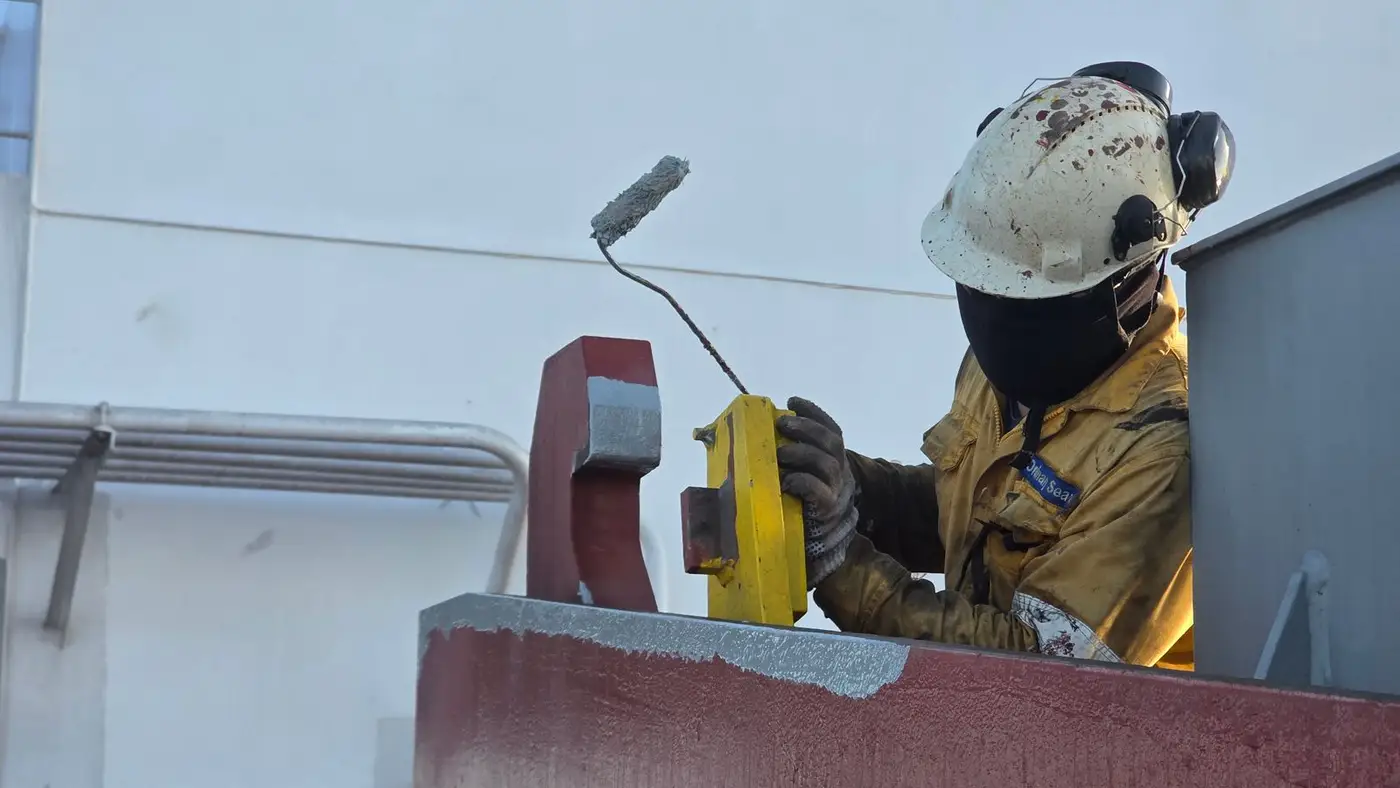
Painter in protective gear coating an industrial structure
Your crews do the painting work.Our SDRs keep the calendar full.
From our sales center

What it takes to book a painting meeting

139,935prospecting calls
1,217appointments set
115dials per appointment
31.2%of opportunities reached a proposal
14.4%of proposals were won
Abstrakt SDRs on calls in our sales center
Our U.S.-based SDRs, Abstrakt sales center

Ten painting meetings a month takes about 1,150 dials: roughly 55 every working day, every month. Who is going to do it?

We are, and we love it. Our U.S.-based SDRs make those calls every day and keep the activity going through every season, so your team can walk buildings, price the work and close. Compare it with hiring an SDR yourself.

Prospect industries, fewest dials per appointment first

  1. Arts & Recreation74
  2. Organizations (Non-Profit)83
  3. Healthcare Services83
  4. Hospitality84
  5. Education86
  6. Hospitals & Physicians Clinics108
  7. Real Estate109
  8. Professional Services144

Titles that book fastest

  1. Maintenance Director57
  2. Facilities Director85
  3. Facilities Manager93
  4. Property Manager103
  5. Maintenance Manager106
  6. General Manager112

Run your own painting numbers

1,150dials a month
55dials every working day
0proposals a month at our rate
0wins a month at our rate
$0in new painting work a year, if that pace holds
Have our SDRs make those dials →

Estimates from national averages in our sales-center data: 115 dials per appointment, 31.2% of opportunities reaching a proposal and 14.4% of proposals won. Historical results, not a promise.

Dials per appointment, national painting programs. Source: Abstrakt sales center, Performance Intelligence, 2026-10. Rows with fewer than 30 opportunities are left out. Historical results, not a promise.

The painting prospecting playbook

Everything your SDR needs to open painting accounts

What makes a building worth calling

Commercial painting is project work that behaves like a cycle. Exteriors, corridors, hotel rooms and retail interiors all get repainted on a rhythm set by wear, brand standards and tenant turnover, and the money is approved in a budget year before the first coat goes on. The outbound job is to find out where each building sits in that cycle, get your name into the budget conversation, and turn one good project into the painter they call for every turnover and touch-up after.

  • Owned or long-managed buildings

    Owners and long-tenured managers plan repaints and budget for them. Short-term tenants paint only what a lease requires.

  • Brand or appearance standards

    Hotels, dealerships, banks, retail and senior living paint to a standard, which means scheduled repaints instead of deferred ones.

  • Regular tenant or unit turnover

    Turnover creates a stream of repeat painting work and a manager who needs a dependable crew.

  • Occupied spaces that need night, weekend or phased work

    Buyers who cannot shut down value a painter who plans around operations, and they are less likely to choose on price alone.

  • Multiple properties inside your crew range

    Portfolio repaint programs keep crews busy and turn one approval into a multi-year schedule.

Who buys painting work, and how to open the conversation

Commercial property management firms
Buys
Exterior repaints, corridor and lobby refreshes, tenant suite turnover painting
Reach
Property manager, regional director, building engineer
Opens the door
Acquisition, management takeover, lease-up campaign, budget season

Curb appeal and turnover speed. Ask when the exterior was last done and what tenants comment on.

Apartment and multifamily management companies
Buys
Unit turn painting, exterior repaints, amenity and hallway refreshes
Reach
Community manager, regional manager, maintenance supervisor
Opens the door
Acquisition or rebrand, renovation program, exterior wear, turnover season

Turn time on vacant units and exterior appearance for leasing. Regional managers can approve across communities.

Owner-occupied and owner-managed commercial buildings
Buys
Exterior repaints, interior refreshes, coatings on metal and masonry
Reach
Owner, operations manager, facility manager
Opens the door
Building purchase, preparing to sell or lease, visible peeling or fading

Protecting the asset. Ask what the exterior looked like at the last repaint and what has changed since.

Hotels
Buys
Guest room and corridor repaints, exterior refresh, brand-mandated renovation painting
Reach
Director of engineering, general manager, ownership group asset manager
Opens the door
Brand property improvement plan, change of flag, new management company

Brand standards and keeping rooms in service. Ask about the renovation calendar and phased floor-by-floor work.

Retail stores
Buys
Interior refreshes, storefront and exterior repaints, overnight work programs
Reach
Facilities manager, regional facilities or construction manager, store manager for independents
Opens the door
Remodel program, brand refresh, new store opening

Night work that does not close the store. Chains often run repaints as multi-site programs from regional facilities.

Manufacturing plants
Buys
Industrial floor coatings, structural steel and equipment coatings, safety striping, office interiors
Reach
Plant engineer, maintenance manager, EHS manager
Opens the door
Planned shutdown, customer audit, corrosion, line expansion

Coating performance and shutdown windows. Ask what surfaces are failing and when the next shutdown is.

Warehousing and distribution
Buys
Floor coatings and striping, exterior wall panels, dock areas, office space
Reach
Operations manager, facility manager, regional property manager
Opens the door
New tenant, lease renewal, safety audit, building conversion

Working around shifts and traffic. Ask who owns the building and who pays for which surfaces.

Auto dealerships
Buys
Showroom interiors, exterior brand repaints, service drive and shop floor coatings
Reach
General manager, dealer principal, fixed operations director
Opens the door
Manufacturer image program, new ownership group, showroom remodel

Manufacturer image standards and staying open during the work.

Senior living and skilled nursing
Buys
Room turnover painting, corridor and common-area repaints, low-odor occupied-space work
Reach
Executive director, maintenance director, regional facilities manager
Opens the door
Ownership change, renovation program, family perception and move-in tours

Working around residents with low-odor products and tight scheduling. Regional operators often buy across communities.

Private K-12 schools
Buys
Summer classroom and corridor repaints, gym and exterior work
Reach
Business manager, facilities director, head of school at smaller campuses
Opens the door
Summer project list, capital campaign, new building

The summer window. Projects are chosen in winter and spring for work when students are gone.

Who controls what inside a painting account

Reach the person who knows the building, the person who signs, and whoever controls the vendor list.

Property manager
Controls
Repaint budgets, turnover vendors and contracts for the building
Cares about
Appearance, tenant retention, budget accuracy
Gets involved
Budget season, acquisitions and lease-up

A repaint schedule they can put in the budget and a crew that turns spaces fast.

Facility manager
Controls
Vendor selection and maintenance priorities for owned buildings
Cares about
Minimal disruption, clean job sites, coatings that last
Gets involved
Capital planning and before planned shutdowns

Phased, night or weekend work and a written warranty.

Director of engineering (hotels)
Controls
Room maintenance, renovation execution and vendor scheduling
Cares about
Rooms back in service, brand compliance, guest complaints
Gets involved
Ahead of a renovation plan and during off-peak occupancy

Floor-by-floor phasing that keeps inventory available.

Plant engineer / maintenance manager
Controls
Coating specifications, shutdown windows and maintenance budget
Cares about
Surface preparation, corrosion protection, safety
Gets involved
Before planned shutdowns and after audit findings

The right coating system for the surface and a schedule that fits the shutdown.

Owner or asset manager
Controls
Capital approvals for exteriors and major refreshes
Cares about
Asset value, leasing and sale readiness
Gets involved
When preparing to lease, refinance or sell

A repaint that protects the building and supports leasing.

What opens a painting account

  • Last repaint aging out

    Peeling, fading and chalking tell you the cycle is due. When they last painted is a fact you can learn on a call.

  • Budget year planning

    Repaints are budgeted before they are bid. Getting into the conversation during planning beats answering a bid later.

  • Tenant turnover or lease-up

    Vacant space needs to show well, and managers need a painter who can move quickly.

  • Brand refresh or renovation program

    Hotels, dealerships and retail chains repaint on brand schedules, often across many sites.

  • Ownership or management change

    New owners refresh the look and bring in new vendors.

  • Planned plant shutdown

    Industrial coating work happens when the line is down, and the window is set months ahead.

  • Preparing to sell or refinance

    Owners repaint to improve appearance before a transaction.

Why "not now" is still a prospect. Most buildings are not ready to repaint on the day you call, and that is fine. The useful outcome of a first call is when the building was last painted, what the surfaces need, who decides and when the budget is set. Recorded and revisited, a not-this-year turns into an invitation to price the job when the budget opens, and a first project often leads to the turnover and touch-up work that follows.

What to ask each painting prospect type

Commercial property management firms6 questions
  1. When was the exterior last painted, and what does it look like now?

    Age and visible wear tell you whether this is a project for this budget year or next.

  2. What do tenants or prospective tenants comment on in the lobbies and corridors?

    Interior comments point to a refresh that can be sold faster than a full exterior.

  3. How are tenant suites repainted between leases today, and how long does it take?

    Turnover painting is steady work, and slow turns are a pain point you can solve.

  4. When do you build the capital and operating budgets for next year?

    Painting projects that are not in the budget wait, so this tells you when to deliver a price.

  5. Does the owner or asset manager approve projects over a certain size?

    Larger exteriors usually need owner approval, which changes who you present to.

  6. Are any acquisitions or management takeovers coming in your portfolio?

    New properties often get a paint assessment and a vendor review.

Apartment and multifamily management companies5 questions
  1. Who paints vacant units now, your maintenance staff or a contractor?

    In-house painters who fall behind during busy turnover months are the usual opening.

  2. How long does a unit take to turn, and how much of that is waiting on paint?

    Paint delays cost leasing time, which gives you a business reason beyond price.

  3. When was the exterior last painted, and are there plans for a repaint or color change?

    Exterior programs are larger projects that usually follow acquisitions or rebrands.

  4. Is a renovation program under way that includes amenities or hallways?

    Renovations bring defined scopes and timelines you can price.

  5. Can the regional manager approve painting vendors for several communities?

    Regional approval means one good community can lead to the portfolio.

Owner-occupied and owner-managed commercial buildings5 questions
  1. What did the exterior look like at the last repaint, and what has changed since?

    Peeling, fading and failing caulk show how urgent the work is and what prep it needs.

  2. Are you planning to sell, refinance or lease up the building?

    Asset events create a deadline and a reason to repaint now.

  3. What surfaces are involved, such as masonry, metal, stucco or wood?

    Substrates decide the coating system, the price and whether you are the right fit.

  4. Do you have a budget set for this, or are you trying to find out what it costs?

    This tells you whether you are pricing a project or helping them plan one.

  5. Can the work happen with tenants or staff in the building?

    Occupied work affects schedule, odor and access planning.

Hotels5 questions
  1. Is there a brand property improvement plan with deadlines for rooms or corridors?

    Brand deadlines set the schedule and usually the scope.

  2. Do you need to keep rooms in service, and how many floors can be out at once?

    Phased floor-by-floor work changes crew planning and pricing.

  3. Who selects the painting contractor, the hotel, the management company or ownership?

    Hotel decisions are often made above the property, so you need to reach the right level.

  4. When was the exterior last refreshed?

    Exterior condition is often a separate project from interior renovation.

  5. Is a change of flag or new management company coming?

    Brand and management changes almost always come with paint and finish requirements.

Retail stores5 questions
  1. Is painting bought store by store or through a regional or national remodel program?

    Program work needs a different contact and often a vendor registration process.

  2. Can the work be done overnight without closing the store?

    Night work capability is often the deciding factor for retail painting.

  3. Are remodels, brand refreshes or new stores planned in this area?

    Planned programs give you a timeline and a defined scope.

  4. Who approves vendors, the store, regional facilities or the construction team?

    This shows whether the person on the phone can say yes.

  5. Does the landlord handle the exterior?

    In many centers the storefront is the tenant's and the shell is the landlord's, which splits the opportunity.

Manufacturing plants6 questions
  1. Which surfaces are failing, such as floors, structural steel, tanks or equipment?

    Failing coatings define the scope and show whether this is a specialty coatings job.

  2. When is the next planned shutdown?

    Shutdown windows decide when the work happens and when you need to have the job won.

  3. Do customer or safety audits look at striping, floor markings or corrosion?

    Audit findings create urgency and a clear reason to fund the work.

  4. What coating systems are in place now, and how long have they held up?

    Coating history tells you about surface prep, product choice and the plant's tolerance for failures.

  5. What site safety rules and contractor requirements do you have?

    Plant requirements affect cost and tell you whether EHS needs to be in the conversation.

  6. Are any line expansions or new areas being added?

    New space needs coatings and striping before it can run.

Warehousing and distribution5 questions
  1. Who owns the building, and who pays for floors, striping and exterior wall panels?

    Lease terms split the work between landlord and tenant, which decides who you sell to.

  2. Is a new tenant moving in or a lease renewing soon?

    Tenant changes are when floors, striping and offices get refreshed.

  3. When can crews work without blocking forklift traffic or dock activity?

    Shift and traffic windows shape the schedule and the price.

  4. Has a safety audit flagged striping or floor markings?

    Audit findings create a deadline.

  5. Does the office area need work along with the warehouse?

    Office painting is a smaller add-on that can round out the job.

Auto dealerships5 questions
  1. Is a manufacturer image program requiring new colors or finishes?

    Brand programs set the scope, the spec and the deadline.

  2. Does the service drive or shop floor need coating?

    Floor coatings are a separate, high-value scope that wears out under daily traffic.

  3. Can the store stay open while the work is done, and what hours work for you?

    Staying open to sell is the dealer's main concern, so scheduling answers matter.

  4. Do you decide vendors for this store, or does the dealer group set them?

    Group buying can open several rooftops after one job.

  5. Is a remodel or a new store acquisition planned?

    Ownership changes and remodels bring painting work with them.

Senior living and skilled nursing5 questions
  1. How are resident rooms repainted between residents now, and how long does it take?

    Turn speed affects move-ins, which makes room painting a business issue for the executive director.

  2. Do you need low-odor products and scheduling around residents in common areas?

    Occupied-space requirements show whether your crews and products fit the setting.

  3. What do families and tour visitors notice in corridors and common areas?

    Appearance during tours ties painting to occupancy.

  4. Is there a renovation program or ownership change coming?

    Renovations and new owners bring defined projects and budgets.

  5. Does the community choose vendors, or does regional operations?

    Regional approval can open multiple communities.

Private K-12 schools5 questions
  1. What is on the summer project list, and when is it finalized?

    Summer work is usually decided in winter and spring, which tells you when to price.

  2. When were classrooms, corridors and the gym last painted?

    Age and wear point to which spaces are on the list next.

  3. Is a capital campaign or new building planned?

    Campaign-funded projects bring larger scopes and a longer timeline.

  4. Who approves projects, the business manager, facilities or a board committee?

    Approval path decides who needs to see your proposal and when.

  5. Does the exterior need work, and can it be done while school is in session?

    Exterior work may have a different window than interior summer projects.

What buyers say, and what it tells you

“We just painted.”

Useful: now you know the cycle. Ask what was painted, the interior or the exterior, and whether turnover or touch-up work is handled separately.

Next step: Record the repaint date and surfaces; offer turnover or touch-up work in the meantime.

“We use our maintenance staff.”

In-house staff often handles touch-ups and small rooms but not exteriors, lifts, coatings or large phased jobs.

Next step: Ask what they send out or keep putting off. That is the opening.

“It's not in the budget this year.”

They have told you the planning cycle. Ask when next year's budget is set and who builds it.

Next step: Calendar the follow-up before the budget is finalized and offer a scope or estimate they can use to plan.

“We already have a painter.”

Ask how the last job went and how they get scheduled. Painters lose accounts over missed schedules, mess and failed finishes.

Next step: Record the incumbent; ask to be included on the next bid or a smaller project.

“Send me your pricing.”

Painting cannot be priced without seeing the surfaces. A pricing request often means a project is being scoped.

Next step: Ask what the project is and book a site visit to measure and inspect.

How to follow up after a painting meeting

  1. 01After the first meeting or site walk

    Send a recap within a day with photos of the surfaces you looked at, the condition you saw and the scope you heard. Confirm the timing they need, such as a budget date, shutdown window or summer break, and when you will deliver pricing. If the owner or a regional manager approves, ask to include them.

    Avoid: Do not quote a number on the walk before you have confirmed surfaces, prep and access.

  2. 02After the proposal or bid is sent

    Book a short review call and walk through prep, product, schedule and how you will work around tenants, guests or residents, since those are where bids differ. Ask what they will compare it against and what would make it an easy approval. Offer options if the scope can be phased across budget years.

    Avoid: Do not let the follow-up become a string of emails asking if they have any questions.

  3. 03When the answer is no decision yet

    Find out whether the project is waiting on budget, an owner, a sale, a brand deadline or a season. Set your next contact around that date and send something useful meanwhile, such as a phased option or a priority list for the worst surfaces. Log the last paint date and the budget timing in the CRM.

    Avoid: Do not discount the job to create urgency the building does not have.

  4. 04When the job goes to another painter

    Ask what decided it and whether there is other work coming, like unit turns, touch-ups or another building. Offer to be the backup for turnover or small projects. Check back after the job is done to see how it went.

    Avoid: Do not treat one lost project as a lost account.

  5. 05Before the next budget or project cycle

    Call before budgets are built, not after they are approved, and ask what is on next year's list. Offer to walk the building again and price the priority items so your number is the one in the budget. For schools and plants, work backward from the summer break or shutdown.

    Avoid: Do not wait until the work is already scheduled with another contractor.

What counts as a qualified painting appointment

  1. Inside your crew range and in a building type you want
  2. The person in the meeting approves or shapes the painting budget
  3. Surfaces and coatings you can do well, at a scale you can staff
  4. A stated need, a known repaint cycle, or budget timing
  5. Surface notes and the current painter captured
  6. A confirmed date and time for a site visit or sales conversation
What to expect

Your first six months of painting outbound

  1. Month 1Implementation

    Your ICP, target list, messaging and calendar handoff are built and approved.

  2. Day 11First appointment

    Most partners see their first qualified appointment set by day 11.

  3. End of month 14 set, 2 held

    Typically four appointments scheduled and two meetings already held.

  4. Day 9014 set, 8 held

    Fourteen appointments set, with eight of those meetings completed.

  5. Month 5First closed deal

    The first closed deal typically comes by the end of month five.

  6. Day 19028 set, 18 held

    Twenty-eight appointments set and eighteen held, with proposals out the door.

A typical partner timeline from Abstrakt's programs, not a promise for any single program. Your guaranteed activity or appointment number is agreed in writing before launch, and outbound pipeline builds over 6 to 12 months.

What we help you sell

The painting services worth selling outbound

  • Best fit for outboundExterior repaints

    Every building with a painted exterior is on a cycle someone can describe. The decision is budgeted ahead, so outbound in the off-season catches it before bids go out.

  • Best fit for outboundTenant turnover and maintenance painting

    Property and apartment managers need a painter who can turn a space fast. Steady, repeat work that comes from one relationship.

  • Good fitHotel and retail brand repaints

    Brand standards and renovation programs set the schedule. Fewer decision-makers, defined windows, and night or phased work that not every painter can staff.

  • Good fitIndustrial coatings

    Floor coatings, structural steel, tanks and equipment in plants and warehouses. Bigger tickets and specification-driven, so the conversation starts with the plant engineer, not purchasing.

  • SituationalNew-construction finishes

    Bought by general contractors through bid lists. Worth pursuing as a GC relationship, but a building owner call does not create it.

Market guides

Commercial Painting & Coatings by market

Local contractor counts, buildings worth calling, territory and the push months for bid meetings across 100 metros. Most room per contractor right now: Central Valley, Oxnard, New York, Dayton, San Francisco.

100 markets
Commercial Painting & Coatings market guides. Column headers sort the table.
Market Contractors Larger buildings Per contractor Push months Largest category
Birmingham, AL 36 1,473 40.9 Dec–Feb Retail stores
Huntsville, AL 11 627 57.0 Dec–Feb Retail stores
Phoenix, AZ 90 6,153 68.4 Dec–Jan Retail stores
Tucson, AZ 12 1,135 94.6 Dec–Jan Retail stores
Little Rock, AR 16 944 59.0 Dec–Feb Retail stores
Central Valley, CA 16 3,147 196.7 Jan–Mar Retail stores
Los Angeles, CA 192 20,304 105.8 Year-round Retail stores
Oxnard, CA 10 1,191 119.1 Jan–Mar Retail stores
Riverside, CA 57 5,207 91.4 Dec Retail stores
Sacramento, CA 39 2,934 75.2 Jan–Mar Retail stores
San Diego, CA 49 5,034 102.7 Year-round Retail stores
San Francisco, CA 59 6,627 112.3 Year-round Retail stores
San Jose, CA 33 2,799 84.8 Dec–Feb Retail stores
Santa Cruz, CA 2 364 182.0 Year-round Retail stores
Santa Rosa, CA 12 835 69.6 Dec–Jan Retail stores
Stockton, CA 6 879 146.5 Dec–Jan Retail stores
Colorado Springs, CO 9 877 97.4 Mar–May Retail stores
Denver, CO 70 4,216 60.2 Mar–May Retail stores
Bridgeport, CT 15 1,354 90.3 Year-round Retail stores
Hartford, CT 31 1,778 57.4 Year-round Retail stores
Washington, DC 157 7,453 47.5 Jan–Mar Retail stores
Cape Coral, FL 20 1,038 51.9 Year-round Retail stores
Daytona Beach, FL 14 826 59.0 Year-round Retail stores
Jacksonville, FL 34 2,103 61.9 Year-round Retail stores
Miami, FL 115 9,504 82.6 Year-round Retail stores
North Port, FL 21 1,225 58.3 Year-round Retail stores
Orlando, FL 78 3,942 50.5 Year-round Retail stores
Tampa, FL 81 4,129 51.0 Year-round Retail stores
West Palm Beach, FL 23 2,284 99.3 Year-round Retail stores
Atlanta, GA 132 7,943 60.2 Dec–Feb Retail stores
Honolulu, HI 46 1,177 25.6 Year-round Retail stores
Boise City, ID 30 1,140 38.0 Feb–Apr Retail stores
Chicago, IL 187 12,881 68.9 Feb–Apr Retail stores
Indianapolis, IN 54 2,958 54.8 Jan–Mar Retail stores
South Bend, IN 4 493 123.3 Feb–Apr Retail stores
Des Moines, IA 24 1,018 42.4 Feb–Apr Retail stores
Wichita, KS 22 980 44.5 Jan–Mar Retail stores
Lexington, KY 14 759 54.2 Jan–Mar Retail stores
Louisville, KY 35 1,976 56.5 Jan–Mar Retail stores
Baton Rouge, LA 35 1,004 28.7 Year-round Retail stores
New Orleans, LA 31 1,377 44.4 Year-round Retail stores
Portland, ME 14 1,054 75.3 Feb–Apr Retail stores
Baltimore, MD 79 3,606 45.6 Jan–Mar Retail stores
Boston, MA 101 7,788 77.1 Feb–Apr Retail stores
Springfield, MA 10 709 70.9 Feb–Apr Retail stores
Worcester, MA 11 1,195 108.6 Feb–Apr Retail stores
Detroit, MI 99 5,724 57.8 Feb–Apr Retail stores
Grand Rapids, MI 33 2,031 61.5 Feb–Apr Manufacturing plants
Saginaw, MI 1 270 270.0 Feb–Apr Retail stores
Minneapolis, MN 80 5,950 74.4 Feb–Apr Retail stores
Kansas City, MO 37 3,168 85.6 Jan–Mar Retail stores
St. Louis, MO 73 3,859 52.9 Jan–Mar Retail stores
Omaha, NE 32 1,324 41.4 Feb–Apr Retail stores
Las Vegas, NV 38 2,704 71.2 Dec–Feb Retail stores
Manchester, NH 7 740 105.7 Feb–Apr Retail stores
Albuquerque, NM 19 1,109 58.4 Feb–Apr Retail stores
Albany, NY 11 1,200 109.1 Feb–Apr Retail stores
Buffalo, NY 22 1,714 77.9 Feb–Apr Retail stores
New York, NY 241 27,669 114.8 Jan–Mar Retail stores
Poughkeepsie, NY 6 869 144.8 Feb–Apr Retail stores
Rochester, NY 22 1,673 76.0 Feb–Apr Retail stores
Syracuse, NY 15 898 59.9 Feb–Apr Retail stores
Charlotte, NC 43 3,959 92.1 Jan–Mar Retail stores
Greensboro, NC 14 1,251 89.4 Jan–Mar Retail stores
Raleigh, NC 28 1,887 67.4 Jan–Mar Retail stores
Akron, OH 15 1,165 77.7 Feb–Apr Manufacturing plants
Cincinnati, OH 36 3,038 84.4 Jan–Mar Retail stores
Cleveland, OH 46 3,561 77.4 Feb–Apr Manufacturing plants
Columbus, OH 39 2,884 73.9 Jan–Mar Retail stores
Dayton, OH 10 1,140 114.0 Jan–Mar Retail stores
Oklahoma City, OK 38 1,883 49.6 Dec–Feb Retail stores
Tulsa, OK 30 1,450 48.3 Jan–Mar Retail stores
Portland, OR 45 4,329 96.2 Feb–Apr Retail stores
Allentown, PA 17 1,227 72.2 Feb–Apr Retail stores
Harrisburg, PA 10 844 84.4 Jan–Mar Retail stores
Philadelphia, PA 113 8,483 75.1 Jan–Mar Retail stores
Pittsburgh, PA 57 3,560 62.5 Feb–Apr Retail stores
Providence, RI 36 2,595 72.1 Feb–Apr Retail stores
Charleston, SC 27 1,228 45.5 Dec–Feb Retail stores
Columbia, SC 21 1,006 47.9 Dec–Feb Retail stores
Greenville, SC 16 1,387 86.7 Dec–Feb Retail stores
Chattanooga, TN 8 815 101.9 Jan–Mar Retail stores
Knoxville, TN 14 1,225 87.5 Jan–Mar Retail stores
Memphis, TN 20 1,660 83.0 Dec–Feb Retail stores
Nashville, TN 36 3,047 84.6 Jan–Mar Retail stores
Austin, TX 34 3,314 97.5 Jan Retail stores
Dallas, TX 135 10,803 80.0 Dec–Feb Retail stores
El Paso, TX 8 944 118.0 Dec–Feb Retail stores
Houston, TX 95 8,895 93.6 Year-round Retail stores
McAllen, TX 5 761 152.2 Year-round Retail stores
San Antonio, TX 39 2,859 73.3 Jan Retail stores
Provo, UT 7 950 135.7 Feb–Apr Retail stores
Salt Lake City, UT 25 2,148 85.9 Feb–Apr Retail stores
Richmond, VA 39 1,835 47.1 Jan–Mar Retail stores
Virginia Beach, VA 38 2,313 60.9 Jan–Mar Retail stores
Seattle, WA 86 5,530 64.3 Feb–Apr Retail stores
Spokane, WA 19 892 46.9 Feb–Apr Retail stores
Charleston, WV 5 248 49.6 Jan–Mar Retail stores
Madison, WI 14 1,232 88.0 Feb–Apr Retail stores
Milwaukee, WI 33 2,835 85.9 Feb–Apr Manufacturing plants

Contractors: U.S. Bureau of Labor Statistics, Quarterly Census of Employment and Wages, private ownership, 2025 Q2, nonresidential painting contractors (NAICS 238322). Larger buildings: U.S. Census Bureau, County Business Patterns 2023, establishments with 20 or more employees in painting-buying categories. Prospecting windows from NOAA NCEI nClimDiv county monthly series, 1991-2020 averages.

Pricing

Flat monthly programs, guaranteed in writing

Foundation$5,000/month

Best for $2M to $10M revenue. A dedicated U.S.-based SDR at 50% capacity, a custom 1,500-account target list, phone, email and LinkedIn.

Growth$8,500/month

Best for $10M to $50M. A dedicated SDR at 100%, plus direct mail, intent and trigger data, and nurture up to 18 months.

EnterpriseCustom

Best for $50M+. A team of 2 to 6 specialists across territories and divisions.

Guaranteed. The activity or qualified-appointment number is agreed in writing before launch. If we miss it, we keep working at no additional cost until we hit it.

Exclusive. One program per trade per market: we will not run painting appointment setting for your direct competitor in your territory.

See everything each plan includes or compare with hiring an SDR.

Questions

Commercial Painting & Coatings appointment setting, answered

How do commercial painting contractors win new commercial customers?+

Commercial painting is project work that behaves like a cycle. Exteriors, corridors, hotel rooms and retail interiors all get repainted on a rhythm set by wear, brand standards and tenant turnover, and the money is approved in a budget year before the first coat goes on. The outbound job is to find out where each building sits in that cycle, get your name into the budget conversation, and turn one good project into the painter they call for every turnover and touch-up after. Most of these buyers already have a contractor, so new accounts come from a target list built around the right buildings, contact with the people who sign, and follow-up timed to their repaint cycle and budget year. An outsourced appointment-setting team runs that work as an extension of yours and puts qualified meetings on your calendar.

What kind of painting work does this generate?+

Interior/exterior repaints and new work, industrial and specialty coatings, multi-site programs, and renovation/turn work.

Who do you actually call?+

Facility and property managers, operations directors, owners, and GCs who control the painting budget.

How is this different from a typical lead-generation service?+

Most agencies sell leads , names and emails you chase. We sell booked meetings with qualified buyers, each verified against three checks: Right Company, Right Contact, Right Timing.

How fast do meetings start?+

Most programs launch in 2–3 weeks and produce a first qualified meeting within 30–45 days, with full ramp by roughly day 60.

Do you work in my region, or nationally?+

Both. Whether you serve a single metro or operate across multiple states, we build the target list to match your footprint.

Prospecting is a lot of work. Who is going to do it?

We do, every working day, and we love it. Your team focuses on closing painting work.

Photos: painter in protective gear coating an industrial structure by Arda Kaykısız on Pexels; painter on a lift refinishing a building facade by Sergei Starostin on Pexels (Pexels License, cropped).