Commercial Cleaning & Janitorial appointment setting

Pipeline Built for Commercial Cleaning Companies

Janitorial, specialty, and facility services, we put your team in front of the facility and property managers who buy recurring cleaning contracts across their buildings.

Ask Ava anything about cleaning prospecting

The short answer

How do commercial cleaning companies win new commercial customers?

Commercial cleaning is a recurring-revenue business sold one building at a time. Nearly every facility already has a cleaning vendor, and most switch only when service slips: missed trash, dirty restrooms, turnover on the night crew, a supervisor who never answers. The outbound job is to be the known alternative when that frustration peaks, and to get a walkthrough on the calendar before the contract comes up for rebid. Most of these buyers already have a contractor, so new accounts come from a target list built around the right buildings, contact with the people who sign, and follow-up timed to their contract end date and rebid window. An outsourced appointment-setting team runs that work as an extension of yours and puts qualified meetings on your calendar.

  1. 01Pick the buildings

    Occupied buildings cleaned on a set schedule, with a manager who owns the vendor, inside the area your supervisors can actually inspect.

  2. 02Reach the right people

    Start with whoever hears the complaints, usually the office, facility or property manager, then confirm who signs the contract.

  3. 03Call with a reason

    Contract end date, new manager, ownership change, inspection findings, a new building.

  4. 04Learn the timing

    Square footage and building type, cleaning frequency, current vendor, contract end date, current complaints, who signs, special requirements such as healthcare protocols.

  5. 05Stay in touch until it's time

    Re-contact before the contract end date and after known pain points such as a busy season or staff turnover; offer a floor care trial or a walkthrough.

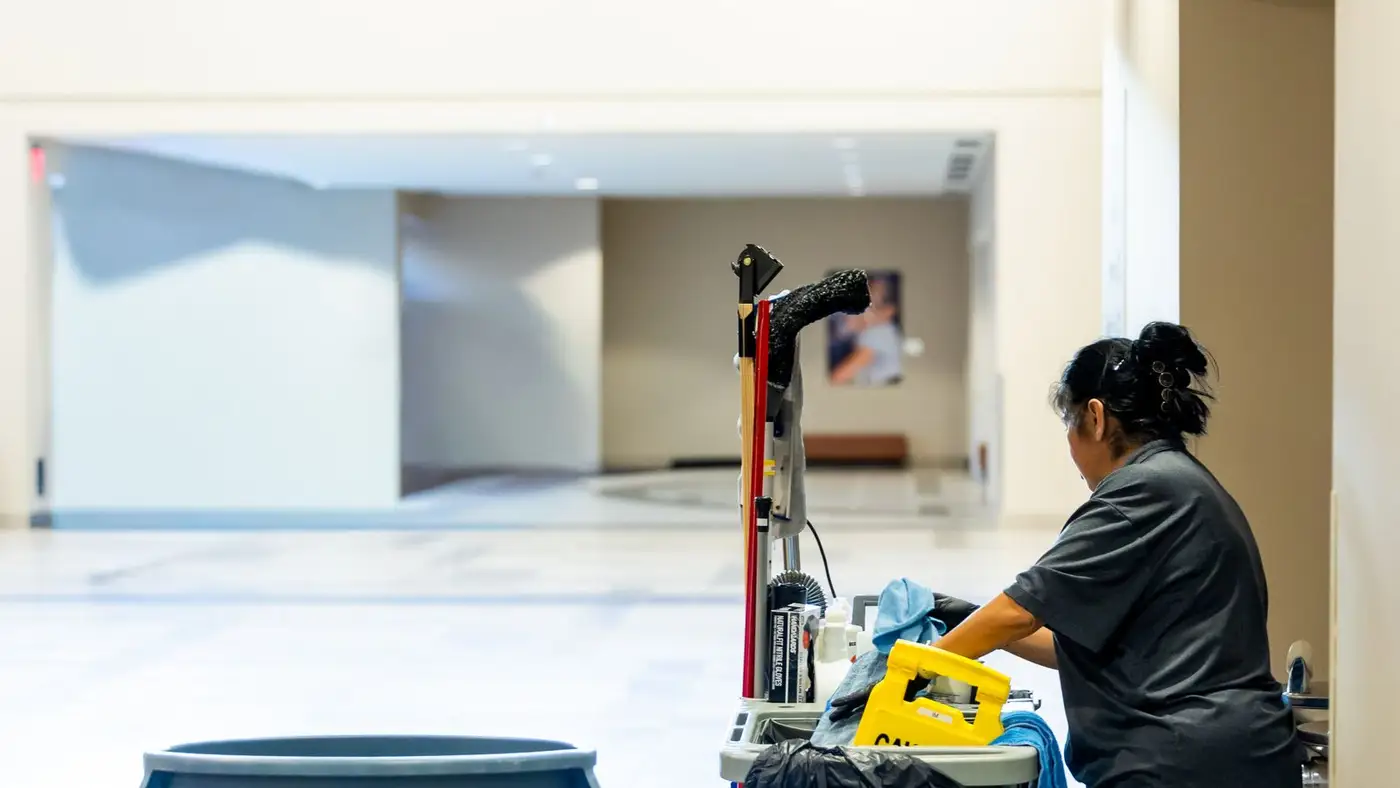
Janitorial worker with a cleaning cart in a commercial hallway
Your crews do the cleaning work.Our SDRs keep the calendar full.
From our sales center

What it takes to book a cleaning meeting

191,084prospecting calls
1,344appointments set
142dials per appointment
23.9%of opportunities reached a proposal
21.7%of proposals were won
Abstrakt SDRs on calls in our sales center
Our U.S.-based SDRs, Abstrakt sales center

Ten cleaning meetings a month takes about 1,420 dials: roughly 68 every working day, every month. Who is going to do it?

We are, and we love it. Our U.S.-based SDRs make those calls every day and keep the activity going through every season, so your team can walk buildings, price the work and close. Compare it with hiring an SDR yourself.

Prospect industries, fewest dials per appointment first

  1. Organizations (Non-Profit)92
  2. Arts & Recreation100
  3. Education107
  4. Healthcare Services113
  5. Real Estate128
  6. Retail136
  7. Transportation136
  8. Wholesale157

Titles that book fastest

  1. Property Manager78
  2. Maintenance Director89
  3. Facilities Director103
  4. Facilities Manager111
  5. Office Manager116
  6. Maintenance Manager121
  7. General Manager136
  8. Operations Director178

Run your own cleaning numbers

1,420dials a month
68dials every working day
0proposals a month at our rate
0wins a month at our rate
$0in new cleaning work a year, if that pace holds
Have our SDRs make those dials →

Estimates from national averages in our sales-center data: 142 dials per appointment, 23.9% of opportunities reaching a proposal and 21.7% of proposals won. Historical results, not a promise.

Dials per appointment, national cleaning programs. Source: Abstrakt sales center, Performance Intelligence, 2026-10. Rows with fewer than 30 opportunities are left out. Historical results, not a promise.

The cleaning prospecting playbook

Everything your SDR needs to open cleaning accounts

What makes a building worth calling

Commercial cleaning is a recurring-revenue business sold one building at a time. Nearly every facility already has a cleaning vendor, and most switch only when service slips: missed trash, dirty restrooms, turnover on the night crew, a supervisor who never answers. The outbound job is to be the known alternative when that frustration peaks, and to get a walkthrough on the calendar before the contract comes up for rebid.

  • Occupied space cleaned on a set schedule

    Buildings cleaned nightly or several times a week carry a real contract. Spaces cleaned occasionally are one-off jobs.

  • Visible quality complaints about the incumbent

    Most cleaning switches come from service failures. Complaints from tenants, staff or patients are the strongest signal you can learn on a call.

  • Compliance or inspection exposure

    Healthcare, food handling, schools and senior living face inspections and audits. They pay for documented process and trained crews.

  • A facility, office or property manager who owns the vendor

    Somebody has to own the cleaning relationship. Where nobody does, decisions stall and price becomes the only lever.

  • Multiple sites inside your crew coverage area

    One contract across several buildings justifies a dedicated supervisor and makes the route profitable.

Who buys cleaning work, and how to open the conversation

Ambulatory health care: physician, dental, outpatient and urgent care
Buys
Nightly janitorial, exam room and restroom disinfection, terminal cleaning for procedure rooms, floor care
Reach
Practice administrator, office manager, regional facilities manager for multi-site groups
Opens the door
Practice acquisition by a larger group, new clinic opening, a failed infection-control audit

Infection control and documentation. Ask how they verify what the crew did last night.

Hospital campuses
Buys
Medical office buildings, outpatient wings, administrative space, specialized floor care
Reach
Director of environmental services, facilities director, purchasing
Opens the door
New outpatient building, contract rebid, accreditation findings

Many hospitals run in-house environmental services for patient areas, so ask which buildings or wings they contract out.

Senior living and skilled nursing
Buys
Common-area cleaning, floor care, carpet extraction, move-out unit cleans
Reach
Executive director, environmental services or housekeeping director, regional operations
Opens the door
Ownership change, state survey findings, family complaints, housekeeping staff shortages

Resident and family perception. Ask where in-house housekeeping falls short and what gets outsourced already.

Commercial property management firms
Buys
Portfolio janitorial contracts, day porter for multi-tenant lobbies, move-in and move-out cleans
Reach
Property manager, assistant property manager, regional director
Opens the door
New property acquisition, management takeover, tenant complaints, budget season

Tenant complaints reach the property manager first. One good building can open the rest of the portfolio.

Owner-occupied and owner-managed commercial buildings
Buys
Nightly janitorial, floor care, window and common-area cleaning
Reach
Owner, operations manager, office manager
Opens the door
Building purchase, new tenant, frustration with the current crew

Owners feel every complaint personally. Ask how often they end up calling the cleaning company themselves.

Bank and credit union branches and offices
Buys
Multi-branch janitorial, lobby and restroom service, after-hours cleaning with security protocols
Reach
Facilities manager, branch operations manager, procurement
Opens the door
Branch remodels, regional vendor consolidation, contract rebid

Security and consistency across branches. Ask whether they want one vendor for the whole branch network.

Manufacturing plants
Buys
Office, break-room and restroom cleaning, production-floor sweeping, high dusting, scrubbing
Reach
Plant manager, HR or office manager, EHS manager
Opens the door
New shift, customer or safety audit, plant expansion

Audits and shift schedules. Ask which areas the production crew cleans and which they wish someone else did.

Private K-12 schools
Buys
Nightly classroom cleaning, restroom service, summer deep cleans and floor refinishing
Reach
Business manager, facilities director, head of school at smaller campuses
Opens the door
New building, parent complaints, summer project list, contract end

Summer floor work and nightly consistency. Contracts often align with the school year, so learn when it renews.

Auto dealerships
Buys
Showroom and customer lounge cleaning, service drive, restroom service, window cleaning
Reach
General manager, office manager, fixed operations director
Opens the door
Showroom remodel, brand image program, new ownership group

Showroom appearance and customer experience. Dealer groups often buy across several rooftops.

Colleges and universities
Buys
Academic and administrative buildings, residence hall turnover, athletics facilities, event cleanup
Reach
Director of facilities or custodial services, procurement
Opens the door
Formal RFP calendar, new building openings, custodial staffing gaps

Most buy through RFPs. Learn the bid calendar and how to get on the bidder list before the next cycle.

Who controls what inside a cleaning account

Reach the person who knows the building, the person who signs, and whoever controls the vendor list.

Facility manager
Controls
Vendor selection, cleaning scope and budget
Cares about
Fewer complaints, reliable crews, a supervisor who answers the phone
Gets involved
Contract end dates and after a run of complaints

Consistent crews and fast response when something is missed.

Office manager / practice administrator
Controls
The cleaning vendor in smaller offices and clinics, often with sole authority
Cares about
Not hearing about dirty restrooms from staff or patients
Gets involved
Any time; they feel the problem daily

Accountability. Ask what they had to chase the current crew about this month.

Property manager
Controls
Janitorial contracts for multi-tenant buildings
Cares about
Tenant retention, complaint volume, owner reporting
Gets involved
Budget season, acquisitions and after tenant complaints

Fewer tenant calls and inspection reports they can show the owner.

Environmental services or housekeeping director
Controls
Healthcare and senior living cleaning programs, in-house staff and outsourced scope
Cares about
Infection control, survey readiness, staffing coverage
Gets involved
After survey findings and when staffing falls short

Trained, documented crews that fill gaps without adding compliance risk.

Procurement / purchasing
Controls
RFPs, approved vendor lists, insurance and contract terms
Cares about
Compliance, insurance, price and a clean bid
Gets involved
Rebid cycles

Get on the bidder list early. Procurement runs the process, but the facility team usually writes the scope.

What opens a cleaning account

  • Contract end date

    The fact that matters most. Many janitorial contracts run on a fixed term or renew annually, and the end date is when a frustrated customer can switch cleanly.

  • Quality complaints about the incumbent

    Missed areas, crew turnover and an unresponsive supervisor are why most buildings switch cleaning vendors.

  • New facility, office or property manager

    New managers inherit vendors they did not choose and often review them in their first year.

  • Ownership or management change

    New owners and management firms rebid service contracts or bring their preferred vendors.

  • Inspection or audit findings

    A poor health survey, customer audit or accreditation finding makes cleaning quality an urgent topic.

  • New building or expansion

    New space needs a cleaning contract from day one, and post-construction cleaning can open the door.

  • Fiscal-year budget planning

    Many organizations rebid service contracts when the new budget year starts.

Why "not now" is still a prospect. Almost every building already has a cleaning company, so a no on the first call is usually a timing answer or a sign the incumbent is doing well for now. The useful outcome is the incumbent's name, the contract end date and what the manager wishes were different. Recorded and revisited, that turns a no into a scheduled walkthrough ahead of the rebid, or a quick response the next time the current crew slips.

What to ask each cleaning prospect type

Ambulatory health care: physician, dental, outpatient and urgent care6 questions
  1. Who cleans the practice now, and when does that agreement end or renew?

    The end date tells you whether this is a proposal now or a walkthrough scheduled ahead of the renewal.

  2. What did your last infection-control review or patient complaint flag about cleaning?

    A specific finding gives you the reason to change and the standard your proposal has to answer.

  3. Which rooms need terminal cleaning after procedures, and which just need routine nightly service?

    This separates the scope that needs trained, documented crews from general janitorial and shapes pricing.

  4. How do you confirm what the crew did last night?

    If the answer is that they cannot, checklists and documentation become the core of your pitch.

  5. How does the crew get in after hours, and who manages keys, alarm codes and patient-record areas?

    Access and privacy concerns are often the quiet reason a practice stays with a crew it is not happy with.

  6. Do you pick the cleaning vendor yourself, or does a regional group or the landlord approve it?

    Multi-site groups and leased suites often move the decision away from the person you are talking to.

Hospital campuses5 questions
  1. Which buildings or wings do you contract out, and which does in-house environmental services cover?

    This defines the real opportunity, which is usually medical office buildings, outpatient sites or administrative space.

  2. When do those contracts come up for rebid, and does it go through purchasing or a group purchasing arrangement?

    The bid path decides whether you sell to the EVS director now or get registered with purchasing first.

  3. What did the last accreditation survey or internal audit say about cleaning in contracted areas?

    Findings tied to contracted space are the strongest reason a hospital will look at a new provider.

  4. What documentation and training do you require from outside cleaning crews?

    The answer tells you whether your staffing, training records and reporting can clear their bar before you bid.

  5. Are any new outpatient buildings or clinics opening in the next year or two?

    New buildings often get a fresh contract decision instead of being added to the incumbent's scope.

Senior living and skilled nursing6 questions
  1. Which cleaning does your housekeeping staff handle, and what do you already outsource?

    Most communities keep resident-room housekeeping in-house, so the opening is usually floors, carpet, common areas or move-outs.

  2. Where does in-house housekeeping fall behind when you are short staffed?

    Staffing gaps point to the scope they would hand off first and the urgency behind it.

  3. What do families and tour visitors comment on when they walk the building?

    Perception during tours ties cleaning directly to move-ins, which is the language the executive director uses.

  4. What did the last state survey or inspection note about environmental cleanliness?

    A recent finding creates a deadline and a reason to act this quarter.

  5. How fast do move-out units need to be cleaned and ready for the next resident?

    Turn speed is a concrete service you can price and promise, and it often gets you in the door before a full contract.

  6. Does the community choose its vendors, or does regional operations or ownership set them?

    Regional buying means one approval can open several communities, but you need the regional contact involved.

Commercial property management firms6 questions
  1. Who cleans your buildings now, and when do those contracts end?

    Portfolio contracts often end on different dates, which gives you a building-by-building calendar to work from.

  2. Which tenant complaints about cleaning reach you most often?

    Repeat complaints tell you what the incumbent is missing and which building to target first.

  3. Do your lobbies and restrooms need day porter coverage, or just nightly service?

    Day porter scope changes staffing, pricing and how visible your crew is to tenants.

  4. How many buildings do you manage, and does one vendor cover them all?

    The answer shows whether you are bidding one site or positioning for the portfolio.

  5. Are any acquisitions, management takeovers or new tenants coming up?

    New buildings under management are the easiest point to bring in a new cleaning company.

  6. Does the owner approve the vendor change, or do you have authority to switch?

    Knowing where approval sits keeps the deal from stalling after the property manager says yes.

Owner-occupied and owner-managed commercial buildings5 questions
  1. How often do you end up calling the cleaning company yourself?

    Owners who are chasing their own vendor are already halfway to switching.

  2. What does the crew miss that you or your tenants notice?

    Specific misses give you the walkthrough agenda and the proof points for your proposal.

  3. Is the current arrangement a contract with an end date or month to month?

    Month to month means you can move now; a fixed term means you schedule the conversation before it ends.

  4. What is cleaned nightly, and what gets done periodically, like floors, carpets and windows?

    Periodic work is often neglected and can be a smaller first job that proves your crew.

  5. Who in the building handles the cleaning company day to day?

    If an office manager deals with the crew, they are the one whose frustration drives the decision.

Bank and credit union branches and offices6 questions
  1. How many branches do you have, and are they on one cleaning contract or several?

    A patchwork of local vendors is the opening for a consolidation pitch.

  2. What security protocols do cleaning crews follow, such as background checks, key control and alarm procedures?

    Your ability to meet these is a pass or fail requirement before price comes up.

  3. Where is service inconsistent from branch to branch?

    Inconsistency across locations is the problem a single provider is hired to fix.

  4. Are any branch remodels, openings or closures planned?

    Network changes are when facilities teams revisit vendors and scope.

  5. Does facilities pick the vendor, or does procurement run a formal bid?

    A procurement-led process means you need to know the bid calendar and vendor registration steps.

  6. When does the current agreement end?

    The date sets your follow-up plan and tells you whether to ask for a pilot branch now.

Manufacturing plants6 questions
  1. Which areas does your production crew clean, and which do you wish someone else handled?

    Work that pulls operators off the line is the scope a plant manager will pay to hand off.

  2. What shifts do you run, and when could a cleaning crew work without getting in the way?

    Shift schedules decide staffing, access and whether the job fits your crews.

  3. Do you have customer or safety audits coming up that look at housekeeping?

    An upcoming audit creates a date and makes high dusting or floor scrubbing an easy yes.

  4. Who cleans the offices, break rooms and restrooms today?

    Office-side cleaning is often a separate, smaller contract that can be your first job in the plant.

  5. What safety training or site rules do outside contractors have to follow?

    Plant requirements affect your cost and show whether the plant manager or EHS needs to be involved.

  6. Is the plant adding a shift, a line or square footage?

    Growth expands the scope and is a natural point to bring in a new provider.

Private K-12 schools5 questions
  1. Does your cleaning contract run with the school year, and when is it up?

    School-year contracts renew on a predictable date, so you know exactly when to be back.

  2. What did parents or staff complain about last year?

    Complaints that reach the head of school create pressure the business manager wants to resolve.

  3. What summer work is planned, such as floor refinishing, carpet extraction or deep cleans?

    Summer projects are a smaller first job and a chance to show quality before the nightly contract rebids.

  4. When does summer work get approved, and who signs off?

    Projects are often decided in winter and spring, so this tells you when to propose.

  5. Is a new building or addition opening soon?

    New space adds scope and often triggers a fresh look at the cleaning vendor.

Auto dealerships5 questions
  1. Who cleans the showroom, lounge and service drive now, and are they the same vendor?

    Split vendors or porters doing the work in-house both point to a consolidation opportunity.

  2. What do customers see that you are not happy with, such as glass, restrooms or the service lounge?

    Customer-facing misses are what a general manager will act on.

  3. Is a manufacturer image program or showroom remodel coming?

    Brand standards raise the cleaning bar and give you a timeline to work toward.

  4. Do you buy cleaning store by store, or does the dealer group set vendors for all its rooftops?

    Group buying means one good store can lead to the rest.

  5. When does the current agreement end, or is it month to month?

    The terms decide whether you push for a start date or schedule a follow-up.

Colleges and universities6 questions
  1. Which buildings or services do you contract out, and which does in-house custodial cover?

    Many campuses outsource specific buildings, residence hall turnover or events, which is where you fit.

  2. When is the next custodial RFP, and how do contractors get on the bidder list?

    Getting registered before the RFP is released is often the difference between bidding and missing it.

  3. Where are your custodial staffing gaps right now?

    Gaps show the scope they may need help with before the formal bid cycle.

  4. Are new buildings opening in the next year or two?

    New buildings are often bid separately from existing contracts.

  5. How do you handle residence hall turnover and event cleanup today?

    Peak-period work is a common first contract that does not require displacing the main provider.

  6. Who on the facilities side shapes the scope before procurement issues the bid?

    Talking with the person who writes the scope lets your approach influence the RFP instead of just responding to it.

What buyers say, and what it tells you

“We already have a cleaning company.”

Nearly everyone does. Ask how long they have used them and what they would change. Tenure and complaints tell you how loyal the account is.

Next step: Record the incumbent and contract end date; schedule contact ahead of the rebid.

“We're under contract.”

That is a date. Ask how long the term is, when it ends and whether it has a cancellation clause for poor performance.

Next step: Nurture to the end date; offer a walkthrough so you have a proposal ready when it opens.

“We're happy with our cleaners.”

Sometimes true, often polite. Ask what they would fix if they could fix one thing. Small complaints grow when crews turn over.

Next step: Record the answer and check back periodically; quality tends to change when the incumbent's staffing changes.

“Just send me a price.”

Cleaning cannot be priced responsibly without seeing the building. A price request is often a sign of a budget review or a quiet rebid.

Next step: Ask about scope and frequency, then book a walkthrough so the proposal reflects the actual space.

“Our own staff handles cleaning.”

In-house teams often cover daily tidying but send out floor care, deep cleans, windows or coverage gaps.

Next step: Ask what they hire out or put off. That is the opening.

How to follow up after a cleaning meeting

  1. 01After the first meeting or walkthrough

    Send a short recap the same day that lists what you saw in the building, the problems they named and the scope you heard, then ask them to correct anything you got wrong. Confirm the date you will deliver pricing and who else should see it. If a regional manager or owner signs off, ask to include them on the recap.

    Avoid: Do not send a generic capabilities brochure in place of a recap of their building.

  2. 02After the proposal is sent

    Book a short call to walk through the proposal instead of emailing it and waiting. Go through the cleaning schedule, how you will check quality and how the transition works, since those are the questions that stall a decision. Ask directly what would need to change for them to move forward.

    Avoid: Do not follow up with an email that only asks if they had a chance to look at it.

  3. 03When the answer is no decision yet

    Find out what the decision is waiting on: a contract end date, an owner, a budget or a bad night with the current crew. Set the next touch around that event and send something useful in between, such as a sample inspection checklist for their building type. Keep the contact name, incumbent and end date in the CRM so the follow-up actually happens.

    Avoid: Do not cut the price to force a decision that is really waiting on a contract date.

  4. 04When the account goes to the incumbent

    Thank them, ask what tipped the decision and confirm when the new term ends. Offer to be the backup for floor care, carpet extraction or a building the incumbent does not cover. Check in after the first few months, when service slips most often after a renewal.

    Avoid: Do not criticize the incumbent or disappear until the next rebid.

  5. 05Before the next renewal or rebid

    Get back in touch well ahead of the contract end date, before the manager has decided to renew by default. Ask what has changed since you last spoke and offer a fresh walkthrough so your pricing reflects the building as it is now. For RFP accounts, confirm you are on the bidder list and ask who is writing the scope.

    Avoid: Do not wait for the RFP to be posted or the renewal to be signed before calling.

What counts as a qualified cleaning appointment

  1. Inside your crew and supervisor coverage area and in a building type you want
  2. The person in the meeting signs or shapes the cleaning decision
  3. A scope and frequency you can staff and service
  4. A stated complaint, a known contract end date, or a new space with timing
  5. Incumbent and scope notes captured
  6. A confirmed date and time for a walkthrough or sales conversation
What to expect

Your first six months of cleaning outbound

  1. Month 1Implementation

    Your ICP, target list, messaging and calendar handoff are built and approved.

  2. Day 11First appointment

    Most partners see their first qualified appointment set by day 11.

  3. End of month 14 set, 2 held

    Typically four appointments scheduled and two meetings already held.

  4. Day 9014 set, 8 held

    Fourteen appointments set, with eight of those meetings completed.

  5. Month 5First closed deal

    The first closed deal typically comes by the end of month five.

  6. Day 19028 set, 18 held

    Twenty-eight appointments set and eighteen held, with proposals out the door.

A typical partner timeline from Abstrakt's programs, not a promise for any single program. Your guaranteed activity or appointment number is agreed in writing before launch, and outbound pipeline builds over 6 to 12 months.

What we help you sell

The cleaning services worth selling outbound

  • Best fit for outboundRecurring janitorial contracts

    The core of the business. Every occupied building has a cleaning scope, an incumbent and a contract end date, which makes it one of the most predictable outbound targets in commercial services.

  • Best fit for outboundHealthcare and terminal cleaning

    Medical offices, surgery centers and senior living need documented infection-control protocols. Buyers here switch over compliance risk, and they value a vendor who can show training and logs.

  • Good fitDay porter and on-site staffing

    Sold to busy lobbies, medical buildings and multi-tenant offices. Usually an add-on to a janitorial contract rather than a standalone first conversation.

  • Good fitFloor care programs

    Strip and wax, burnishing and carpet extraction are a natural wedge into a building where the incumbent's floors are visibly worn. Works well as a trial job.

  • SituationalPost-construction cleaning

    Driven by the project schedule and usually bought by the general contractor. Worth relationships with GCs, but timing is set by completion dates, not by your call.

Market guides

Commercial Cleaning & Janitorial by market

Local contractor counts, buildings worth calling, territory and the push months for bid meetings across 100 metros. Most room per contractor right now: McAllen, Saginaw, Grand Rapids, Detroit, Chattanooga.

100 markets
Commercial Cleaning & Janitorial market guides. Column headers sort the table.
Market Contractors Larger buildings Per contractor Eligible targets Push months Largest category
Birmingham, AL 220 1,095 5.0 1,071 Year-round Ambulatory health care: physician, dental, outpatient and urgent care
Huntsville, AL 145 422 2.9 560 Year-round Manufacturing plants
Phoenix, AZ 918 4,250 4.6 2,749 Year-round Ambulatory health care: physician, dental, outpatient and urgent care
Tucson, AZ 229 775 3.4 623 Year-round Ambulatory health care: physician, dental, outpatient and urgent care
Little Rock, AR 140 702 5.0 606 Year-round Ambulatory health care: physician, dental, outpatient and urgent care
Central Valley, CA 422 1,971 4.7 1,274 Year-round Ambulatory health care: physician, dental, outpatient and urgent care
Los Angeles, CA 2,526 13,607 5.4 10,053 Year-round Manufacturing plants
Oxnard, CA 207 708 3.4 585 Year-round Manufacturing plants
Riverside, CA 808 2,964 3.7 2,362 Year-round Manufacturing plants
Sacramento, CA 523 1,736 3.3 1,335 Year-round Ambulatory health care: physician, dental, outpatient and urgent care
San Diego, CA 751 2,920 3.9 2,190 Year-round Ambulatory health care: physician, dental, outpatient and urgent care
San Francisco, CA 1,180 4,264 3.6 3,714 Year-round Ambulatory health care: physician, dental, outpatient and urgent care
San Jose, CA 528 1,732 3.3 1,514 Year-round Manufacturing plants
Santa Cruz, CA 60 221 3.7 390 Year-round Ambulatory health care: physician, dental, outpatient and urgent care
Santa Rosa, CA 118 533 4.5 646 Year-round Manufacturing plants
Stockton, CA 156 504 3.2 739 Year-round Manufacturing plants
Colorado Springs, CO 172 603 3.5 489 Year-round Ambulatory health care: physician, dental, outpatient and urgent care
Denver, CO 791 2,702 3.4 2,647 Year-round Ambulatory health care: physician, dental, outpatient and urgent care
Bridgeport, CT 275 1,007 3.7 1,668 Year-round Ambulatory health care: physician, dental, outpatient and urgent care
Hartford, CT 313 1,322 4.2 1,450 Year-round Manufacturing plants
Washington, DC 1,977 4,710 2.4 4,222 Year-round Ambulatory health care: physician, dental, outpatient and urgent care
Cape Coral, FL 416 509 1.2 624 Year-round Ambulatory health care: physician, dental, outpatient and urgent care
Daytona Beach, FL 303 481 1.6 1,934 Year-round Ambulatory health care: physician, dental, outpatient and urgent care
Jacksonville, FL 517 1,334 2.6 1,062 Year-round Ambulatory health care: physician, dental, outpatient and urgent care
Miami, FL 2,371 5,975 2.5 3,562 Year-round Ambulatory health care: physician, dental, outpatient and urgent care
North Port, FL 453 766 1.7 644 Year-round Ambulatory health care: physician, dental, outpatient and urgent care
Orlando, FL 1,054 2,185 2.1 1,934 Year-round Ambulatory health care: physician, dental, outpatient and urgent care
Tampa, FL 1,256 2,809 2.2 2,110 Year-round Ambulatory health care: physician, dental, outpatient and urgent care
West Palm Beach, FL 716 1,512 2.1 1,273 Year-round Ambulatory health care: physician, dental, outpatient and urgent care
Atlanta, GA 1,595 5,355 3.4 4,425 Year-round Ambulatory health care: physician, dental, outpatient and urgent care
Honolulu, HI 361 690 1.9 808 Year-round Ambulatory health care: physician, dental, outpatient and urgent care
Boise City, ID 336 774 2.3 452 Year-round Ambulatory health care: physician, dental, outpatient and urgent care
Chicago, IL 2,137 9,170 4.3 7,760 Year-round Manufacturing plants
Indianapolis, IN 669 2,142 3.2 2,022 Year-round Ambulatory health care: physician, dental, outpatient and urgent care
South Bend, IN 66 359 5.4 928 Year-round Manufacturing plants
Des Moines, IA 186 680 3.7 691 Year-round Ambulatory health care: physician, dental, outpatient and urgent care
Wichita, KS 154 745 4.8 567 Year-round Manufacturing plants
Lexington, KY 142 547 3.9 518 Year-round Ambulatory health care: physician, dental, outpatient and urgent care
Louisville, KY 369 1,500 4.1 1,157 Year-round Manufacturing plants
Baton Rouge, LA 231 758 3.3 509 Year-round Ambulatory health care: physician, dental, outpatient and urgent care
New Orleans, LA 275 919 3.3 917 Year-round Ambulatory health care: physician, dental, outpatient and urgent care
Portland, ME 218 762 3.5 · Year-round Ambulatory health care: physician, dental, outpatient and urgent care
Baltimore, MD 615 2,368 3.9 2,067 Year-round Ambulatory health care: physician, dental, outpatient and urgent care
Boston, MA 1,300 5,372 4.1 4,246 Year-round Ambulatory health care: physician, dental, outpatient and urgent care
Springfield, MA 91 545 6.0 575 Year-round Manufacturing plants
Worcester, MA 187 956 5.1 700 Year-round Manufacturing plants
Detroit, MI 700 4,465 6.4 4,462 Year-round Manufacturing plants
Grand Rapids, MI 234 1,620 6.9 1,438 Year-round Manufacturing plants
Saginaw, MI 23 212 9.2 506 Year-round Ambulatory health care: physician, dental, outpatient and urgent care
Minneapolis, MN 1,074 4,542 4.2 3,776 Year-round Manufacturing plants
Kansas City, MO 559 2,199 3.9 1,923 Year-round Manufacturing plants
St. Louis, MO 593 2,744 4.6 2,561 Year-round Manufacturing plants
Omaha, NE 289 920 3.2 770 Year-round Ambulatory health care: physician, dental, outpatient and urgent care
Las Vegas, NV 621 1,595 2.6 947 Year-round Ambulatory health care: physician, dental, outpatient and urgent care
Manchester, NH 147 521 3.5 802 Year-round Manufacturing plants
Albuquerque, NM 187 705 3.8 533 Year-round Ambulatory health care: physician, dental, outpatient and urgent care
Albany, NY 284 824 2.9 801 Year-round Ambulatory health care: physician, dental, outpatient and urgent care
Buffalo, NY 383 1,276 3.3 1,174 Year-round Manufacturing plants
New York, NY 4,780 17,910 3.7 15,682 Year-round Ambulatory health care: physician, dental, outpatient and urgent care
Poughkeepsie, NY 184 547 3.0 · Year-round Ambulatory health care: physician, dental, outpatient and urgent care
Rochester, NY 344 1,128 3.3 1,100 Year-round Manufacturing plants
Syracuse, NY 200 627 3.1 624 Year-round Ambulatory health care: physician, dental, outpatient and urgent care
Charlotte, NC 785 2,655 3.4 2,034 Year-round Manufacturing plants
Greensboro, NC 220 899 4.1 1,466 Year-round Manufacturing plants
Raleigh, NC 486 1,123 2.3 1,401 Year-round Ambulatory health care: physician, dental, outpatient and urgent care
Akron, OH 182 843 4.6 4,105 Year-round Manufacturing plants
Cincinnati, OH 583 2,260 3.9 2,098 Year-round Manufacturing plants
Cleveland, OH 532 2,699 5.1 4,105 Year-round Manufacturing plants
Columbus, OH 460 2,072 4.5 1,835 Year-round Ambulatory health care: physician, dental, outpatient and urgent care
Dayton, OH 185 923 5.0 1,092 Year-round Manufacturing plants
Oklahoma City, OK 316 1,305 4.1 1,084 Year-round Ambulatory health care: physician, dental, outpatient and urgent care
Tulsa, OK 188 1,114 5.9 1,068 Year-round Manufacturing plants
Portland, OR 883 2,688 3.0 2,327 Year-round Manufacturing plants
Allentown, PA 174 901 5.2 727 Year-round Manufacturing plants
Harrisburg, PA 125 634 5.1 1,598 Year-round Ambulatory health care: physician, dental, outpatient and urgent care
Philadelphia, PA 1,443 6,299 4.4 4,033 Year-round Ambulatory health care: physician, dental, outpatient and urgent care
Pittsburgh, PA 477 2,829 5.9 2,473 Year-round Ambulatory health care: physician, dental, outpatient and urgent care
Providence, RI 485 1,791 3.7 1,510 Year-round Manufacturing plants
Charleston, SC 223 677 3.0 434 Year-round Ambulatory health care: physician, dental, outpatient and urgent care
Columbia, SC 244 655 2.7 516 Year-round Manufacturing plants
Greenville, SC 214 902 4.2 1,178 Year-round Manufacturing plants
Chattanooga, TN 96 600 6.3 850 Year-round Manufacturing plants
Knoxville, TN 185 899 4.9 808 Year-round Manufacturing plants
Memphis, TN 280 1,156 4.1 1,012 Year-round Ambulatory health care: physician, dental, outpatient and urgent care
Nashville, TN 447 2,095 4.7 1,466 Year-round Ambulatory health care: physician, dental, outpatient and urgent care
Austin, TX 497 2,025 4.1 1,300 Year-round Ambulatory health care: physician, dental, outpatient and urgent care
Dallas, TX 1,555 7,519 4.8 5,500 Year-round Ambulatory health care: physician, dental, outpatient and urgent care
El Paso, TX 104 623 6.0 543 Year-round Ambulatory health care: physician, dental, outpatient and urgent care
Houston, TX 1,072 5,940 5.5 5,154 Year-round Manufacturing plants
McAllen, TX 59 590 10.0 321 Year-round Ambulatory health care: physician, dental, outpatient and urgent care
San Antonio, TX 424 1,965 4.6 1,347 Year-round Ambulatory health care: physician, dental, outpatient and urgent care
Provo, UT 160 663 4.1 1,717 Year-round Ambulatory health care: physician, dental, outpatient and urgent care
Salt Lake City, UT 456 1,439 3.2 1,717 Year-round Manufacturing plants
Richmond, VA 413 1,175 2.8 844 Year-round Ambulatory health care: physician, dental, outpatient and urgent care
Virginia Beach, VA 448 1,462 3.3 1,017 Year-round Ambulatory health care: physician, dental, outpatient and urgent care
Seattle, WA 1,185 3,493 2.9 3,063 Year-round Ambulatory health care: physician, dental, outpatient and urgent care
Spokane, WA 211 620 2.9 500 Year-round Ambulatory health care: physician, dental, outpatient and urgent care
Charleston, WV 47 206 4.4 410 Year-round Ambulatory health care: physician, dental, outpatient and urgent care
Madison, WI 200 771 3.9 770 Year-round Manufacturing plants
Milwaukee, WI 442 2,248 5.1 2,406 Year-round Manufacturing plants

Most eligible targets in Abstrakt's records: New York (15,682), Los Angeles (10,053), Chicago (7,760), Dallas (5,500), Houston (5,154). Eligible targets: Abstrakt territory record counts, 2026-10, estimated decision-maker records per territory; some territories cover more than one metro.

Contractors: U.S. Bureau of Labor Statistics, Quarterly Census of Employment and Wages, private ownership, 2025 Q2, janitorial services establishments (NAICS 561720). Larger buildings: U.S. Census Bureau, County Business Patterns 2023, establishments with 20 or more employees in cleaning-buying categories. Prospecting windows from NOAA NCEI nClimDiv county monthly series, 1991-2020 averages.

Pricing

Flat monthly programs, guaranteed in writing

Foundation$5,000/month

Best for $2M to $10M revenue. A dedicated U.S.-based SDR at 50% capacity, a custom 1,500-account target list, phone, email and LinkedIn.

Growth$8,500/month

Best for $10M to $50M. A dedicated SDR at 100%, plus direct mail, intent and trigger data, and nurture up to 18 months.

EnterpriseCustom

Best for $50M+. A team of 2 to 6 specialists across territories and divisions.

Guaranteed. The activity or qualified-appointment number is agreed in writing before launch. If we miss it, we keep working at no additional cost until we hit it.

Exclusive. One program per trade per market: we will not run cleaning appointment setting for your direct competitor in your territory.

See everything each plan includes or compare with hiring an SDR.

Questions

Commercial Cleaning & Janitorial appointment setting, answered

How do commercial cleaning companies win new commercial customers?+

Commercial cleaning is a recurring-revenue business sold one building at a time. Nearly every facility already has a cleaning vendor, and most switch only when service slips: missed trash, dirty restrooms, turnover on the night crew, a supervisor who never answers. The outbound job is to be the known alternative when that frustration peaks, and to get a walkthrough on the calendar before the contract comes up for rebid. Most of these buyers already have a contractor, so new accounts come from a target list built around the right buildings, contact with the people who sign, and follow-up timed to their contract end date and rebid window. An outsourced appointment-setting team runs that work as an extension of yours and puts qualified meetings on your calendar.

What kind of cleaning work does this generate?+

Recurring janitorial contracts, specialty and deep cleaning, multi-site programs, and post-construction/one-time work.

Who do you actually call?+

Facility and property managers, operations directors, and procurement leaders who own the cleaning contract.

How is this different from a typical lead-generation service?+

Most agencies sell leads , names and emails you chase. We sell booked meetings with qualified buyers, each verified against three checks: Right Company, Right Contact, Right Timing.

How fast do meetings start?+

Most programs launch in 2–3 weeks and produce a first qualified meeting within 30–45 days, with full ramp by roughly day 60.

Do you work in my region, or nationally?+

Both. Whether you serve a single metro or operate across multiple states, we build the target list to match your footprint.

Prospecting is a lot of work. Who is going to do it?

We do, every working day, and we love it. Your team focuses on closing cleaning work.

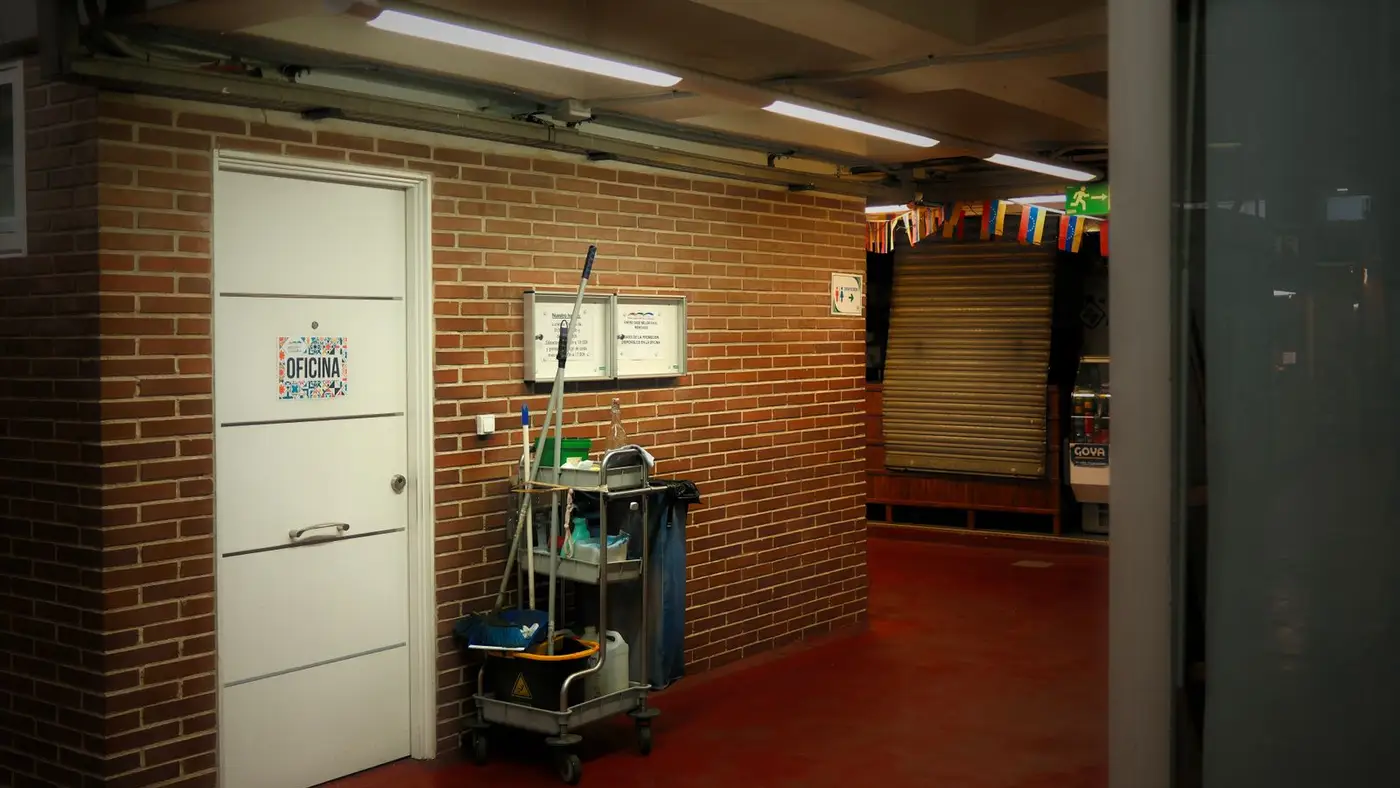
Photos: janitorial worker with a cleaning cart in a commercial hallway by Caleb Oquendo on Pexels; cleaning cart parked in a building hallway by Thomas balabaud on Pexels (Pexels License, cropped).