Right Company
Inside your service area, the building type and size you want, with work you actually do. A warehouse two states away is not a meeting, no matter how friendly the call.
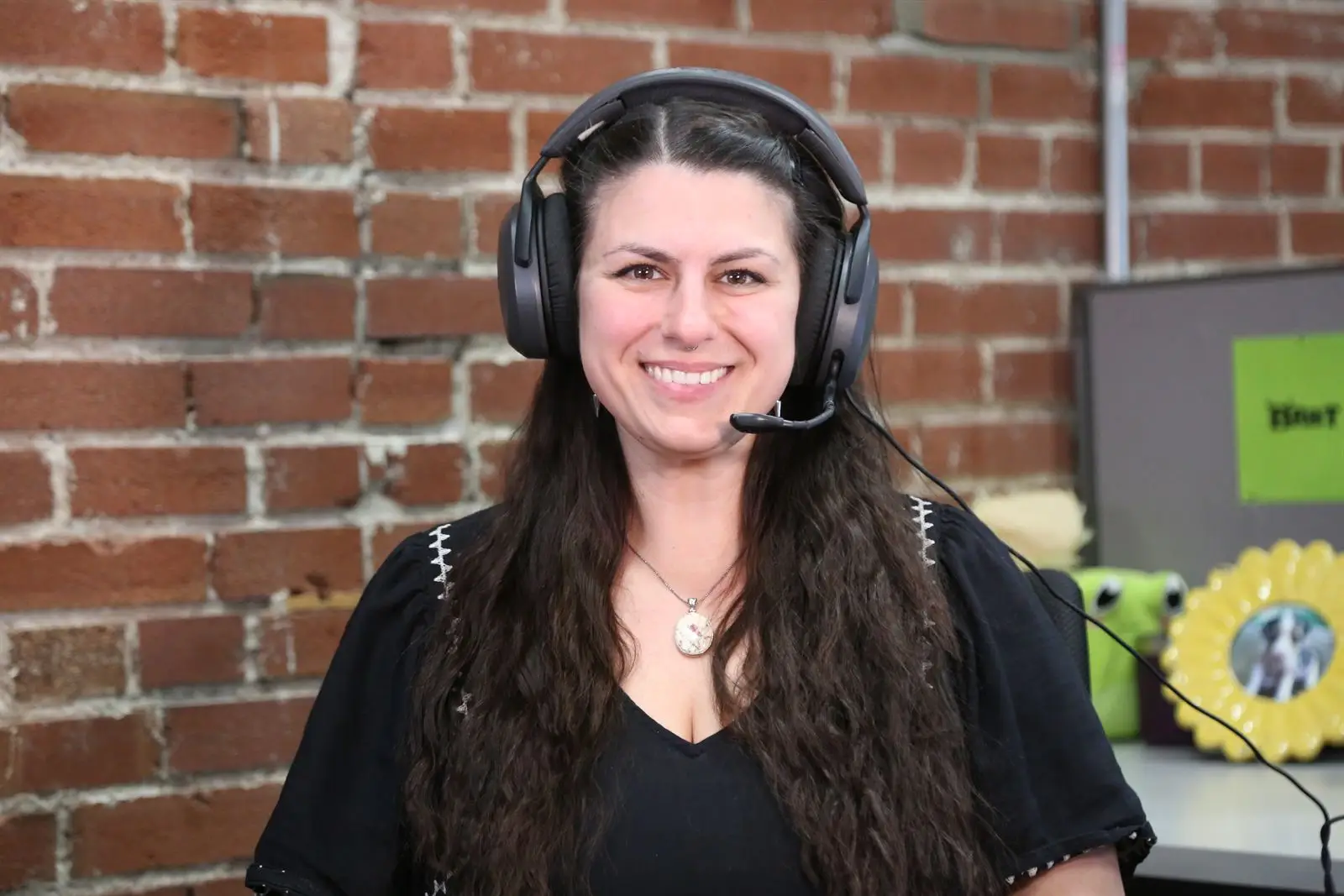
Abstrakt runs phone-led outbound for commercial trades and B2B companies: dedicated U.S.-based SDRs call your target accounts under your name, back the calls with email and LinkedIn, qualify every meeting and record every call so you can hear exactly how your company sounds.
An outsourced B2B cold calling program is a team outside your company that calls the businesses you want as customers, finds the person who decides, learns whether there is a fit and a reason to talk now, and books that person into a meeting with your closer. You get the conversations and the meetings without hiring, training and managing callers yourself.
The phone is the core of the work, but a program is more than dials. Someone has to decide which companies are worth calling, find the right contact at each one, write the reason for the call, keep notes on every conversation and come back to the accounts that said "not now." When those pieces are missing, cold calling turns into a rep with a spreadsheet and a bad week.
Abstrakt works as an extension of your sales team, not a call center reading a script for whoever pays. A program includes:
Because the facts that decide a commercial sale, who handles the work today, when the agreement renews and who signs, come out in a two-minute conversation and almost never in a reply to a cold email. The phone gets you the answer, even when the answer is "not now."
Most of the buildings a contractor wants already have a vendor. A facility manager or property manager who gets a cold email from another HVAC, roofing or cleaning company has no reason to reply. The same person on the phone will often tell you who they use, whether they are happy and when the contract comes up, if you ask plainly and explain why you are asking.
That conversation is worth more than a booked meeting in the short run, because it turns an account you knew nothing about into one with a name, an incumbent and a date. The SDR records it and calls back before the date. That is how a "we're covered" in March becomes a site walk in the fall. Our guide to contract-cycle selling covers the method in detail.
The phone also handles the buyer's week better than any sequence. Facility managers spend much of their day reacting to whatever broke. A short call with one question about something on their planning list, such as a renewal or a budget, fits into that day. A five-paragraph email does not. Our guides on reaching facility managers and reaching property managers go deeper on each buyer, and why outbound still wins makes the broader case.
The phone carries the conversations, and email and LinkedIn keep your name familiar between calls. Each touch has a job, and the SDR sequences them around each account instead of blasting the whole list the same way.
We agree on the building types, company sizes, service area and titles that fit your business, then build and verify the target list against that profile.
Every account gets a reason to take the call that fits their world: a renewal coming up, an aging asset, a new manager, a season about to start. "We do HVAC" is not a reason.
The SDR calls the decision-maker and the people around them, such as the chief engineer or the regional property manager. Emails and LinkedIn touches reference the call, so the next one is warmer.
Before anything is booked, the SDR confirms the company fits, the contact can decide or influence, and the timing is real.
The meeting goes on your rep's calendar with the notes: who they are meeting, what is handled today, by whom, and why now.
Accounts that fit but are not ready are logged with their date and reason and stay in a cadence. On Growth, nurture runs for up to 18 months.
Calling runs every month of the year. The season changes what the SDR leads with, not whether the phones are on: a roofing program might lead with replacements in peak season and maintenance agreements in the slower months, which is how Schena Roofing booked 167 qualified appointments in one year. Our post on multi-channel outbound cadence shows how the channels fit together, and our process walks through launch.
You listen. Calls are recorded and replayable in the Results Portal, so you can hear how your company is represented on any conversation with a target account, not just the ones someone picked for a monthly report.
When you hire a cold calling company, the calls go out under your name. A rep who rambles, argues with a gatekeeper or trashes the incumbent costs you the account and sometimes the building next door. That is why the first thing to ask any provider is whether you can hear the calls.
Good cold calls sound like a short, polite business conversation: who is calling and from what company, why this building, one or two questions, and a specific next step. Our B2B cold calling framework breaks down the structure.
A meeting counts only when it clears three checks: the company fits what you sell, the person can decide or strongly influence the decision, and there is a real reason to talk now. If any one fails, the SDR keeps working the account instead of booking a meeting that wastes your rep's afternoon.
Inside your service area, the building type and size you want, with work you actually do. A warehouse two states away is not a meeting, no matter how friendly the call.
The person who chooses or recommends the vendor, with the other people in the decision identified. The SDR asks who else weighs in instead of asking "are you the decision maker?"
A renewal, a budget, a failing asset, a new project or a problem with the current vendor. "Not now" is not booked; it is recorded with a date and worked later.
Write the standard down before any program starts and hold every provider to it. Our page on what counts as a qualified appointment lays out ours and how to write your own.
Telemarketing usually means high-volume scripted calls aimed at a quick sale or a quick yes. A lead list is data with no conversation behind it. A B2B cold calling program sits between them: research-backed calls to chosen accounts that end in a qualified meeting for your closer or a recorded reason to call back.
| Compare | B2B cold calling program | Telemarketing | Lead lists |
|---|---|---|---|
| What you get | Qualified meetings with decision-makers, plus notes on every account worked | Call volume, sometimes a quick sale or a callback request | Names, titles, phone numbers and emails |
| Who is called | Accounts chosen against your ideal customer profile | Whoever is on the list the call center was given | Nobody, until your team starts dialing |
| How calls sound | A short business conversation with a reason tied to the building | A script read the same way to everyone | Depends on who you hire to call it |
| What happens to "not now" | Recorded with the incumbent and the date, then followed up | Usually dropped | Usually never learned |
| Who does the work | A dedicated SDR working as part of your sales team | A pool of agents working many accounts | Your own people |
A list can still be useful if you already have callers with time to work it. Most contractors who buy one find the expensive part was never the data. It was the hundreds of calls, the follow-up and the notes. Our comparison of appointment setting and lead generation covers the difference in more detail.
The buyer almost always has an incumbent, the decision runs on a date such as a renewal, an inspection or a budget, and the first win is usually a small step like a site walk or a second-opinion inspection. Calls for contractors are built around learning that date and earning that step.
HVAC, fire protection, cleaning and landscaping live on agreements that renew. The first call is about the incumbent and the renewal month. See the commercial HVAC, fire protection, commercial cleaning and commercial landscaping hubs.
Roofing, paving and painting sell against the age of a roof, a lot or a coating, and the month the budget is written. See the commercial roofing, paving and commercial painting hubs.
Electrical, flooring and general contracting follow renovations, tenant turnover and capital plans. The call finds out what is planned and who picks the contractor. See the commercial electrical, commercial flooring and commercial construction hubs.
Contractors also need a caller who will not call for the company down the street. Abstrakt runs one program per trade per market and will not run the same program for a direct competitor in your territory. For a practical guide to the calls themselves, read how to get commercial maintenance contracts.
Programs are a flat monthly fee: Foundation is $5,000 a month, Growth is $8,500 a month and Enterprise is priced to scope. The fee covers the SDR, the list, the data, the tools and the reporting.
| Tier | Monthly price | Best for | Calling capacity and channels |
|---|---|---|---|
| Foundation | $5,000 | $2M to $10M revenue | A dedicated U.S.-based SDR at 50% capacity; phone, email and LinkedIn against a custom 1,500-account list; monthly reviews. |
| Growth | $8,500 | $10M to $50M revenue | A dedicated SDR at 100% capacity; adds cold direct mail, intent and trigger data, bi-weekly reviews, quarterly strategy, nurture for up to 18 months and A/B testing. |
| Enterprise | Custom | $50M+ revenue | A team of 2 to 6 specialists built for 25+ qualified meetings per month. |
The guarantee. Every program guarantees either the activity or the qualified-appointment number we agree on in writing before launch. If we miss it, we keep working at no additional cost until we hit it.
The pricing page has the full terms, and what appointment setting costs compares pricing models across the market and shows how to check the return against your own deal size and close rate.
Judge a cold calling company on who makes the calls, whether you can hear them, how it defines a qualified meeting and what it does with the accounts that say "not now." Call volume and a low price tell you very little on their own.
For the full evaluation with red flags and a scorecard, read how to choose an appointment setting company. To see how a program runs end to end, start with our appointment setting service or the outsourced BDR and SDR team.
Cold calling works because it reaches buyers before they start searching. It fails in-house for one reason: it is relentless work, and people stop doing it.
That is about 60 dials every working day, plus the research, voicemails, emails, gatekeepers and follow-ups behind them. Every day. Through the busy season and the slow one.
A typical partner timeline from Abstrakt's programs, not a promise for any single program. Volume source: Abstrakt sales center, Performance Intelligence, 2026-10, national figures across our service verticals.
This is a lot of work. Who is going to do it? We do, every working day, and we love it. Your team focuses on selling.
See if your market is open →An outside team calls the businesses you want as customers, reaches the decision-maker, qualifies the fit and timing, and books meetings with your sales team. A full program also builds the target list, backs calls with email and LinkedIn, and follows up with accounts that are not ready yet.
Yes, when the calls are researched and the caller asks good questions. Commercial buyers usually have an incumbent, and the phone is the fastest way to learn who it is, when the agreement renews and who decides. That information is what turns a "not now" into a meeting later.
A dedicated U.S.-based SDR assigned to your program, working under your company's name as an extension of your sales team. Foundation programs get an SDR at 50% capacity and Growth programs at 100%.
Yes. Calls are recorded and replayable in the Results Portal, along with every dial, email and booked meeting. You can also hear sample calls with commercial decision-makers in our call library before you sign.
Abstrakt programs are $5,000 a month for Foundation, $8,500 a month for Growth and custom for Enterprise. The flat fee covers the SDR, the list, data, tools, qualification and reporting. See pricing for the full terms.
No. Telemarketing usually means scripted, high-volume calls aimed at a quick sale. B2B cold calling for appointment setting calls chosen accounts, qualifies the company, contact and timing, and books a meeting for your closer.
Every program guarantees either the activity or the qualified-appointment number we agree on in writing before launch. If we miss it, we keep working at no additional cost until we hit it.
No. Abstrakt runs one program per trade per market and will not run the same program for a direct competitor in your territory.