

Fire Protection appointment setting

Pipeline Built for Fire Protection Companies

Inspections, installs, and monitoring, we put your team in front of the facility and property decision-makers responsible for life-safety compliance across their buildings.

Ask Ava anything about fire protection prospecting

The short answer

How do fire protection contractors win new commercial customers?

Fire protection is the rare commercial trade where the work is required. Sprinkler systems are inspected, tested and maintained under NFPA 25, fire alarm systems under NFPA 72, and the local fire marshal or other authority having jurisdiction (AHJ) and the building's insurer both expect to see the reports. That makes the inspection contract the anchor account. The inspection finds deficiencies, the deficiencies become repair work, and the contractor who writes the report is first in line for the repair, the upgrade and the next system. The outbound job is to win the inspection, because every other dollar in the building follows it. Most of these buyers already have a contractor, so new accounts come from a target list built around the right buildings, contact with the people who sign, and follow-up timed to their inspection due dates and contract renewal. An outsourced appointment-setting team runs that work as an extension of yours and puts qualified meetings on your calendar.

  1. 01Pick the buildings

    Sprinkled and alarmed buildings with a facility, safety or property lead on site, inside the radius your inspectors and service technicians can cover.

  2. 02Reach the right people

    Start with the chief engineer or maintenance manager for system facts and open deficiencies, then the facility director, safety manager or property manager who signs.

  3. 03Call with a reason

    Inspection due date, renewal window, findings, new decision-maker, ownership change, renovation.

  4. 04Learn the timing

    Which systems are on site, current vendor for each, inspection due dates, contract renewal, open deficiencies, monitoring provider, number of sites, who signs.

  5. 05Stay in touch until it's time

    Re-contact ahead of inspection dates and renewals; offer a review of the last inspection report as a reason to meet.

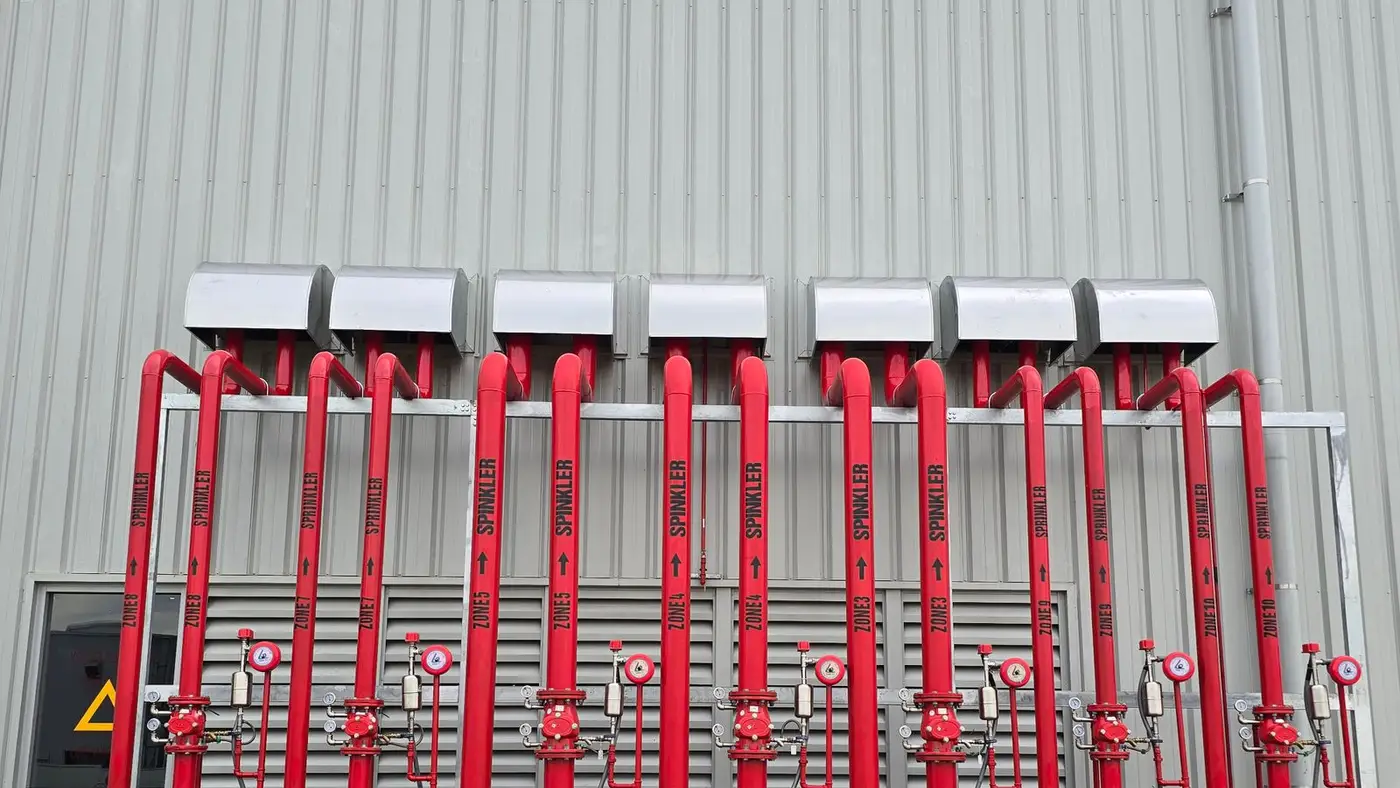
Fire sprinkler risers on a commercial building
Your crews do the fire protection work.Our SDRs keep the calendar full.
From our sales center

What it takes to book a fire protection meeting

50,060prospecting calls
641appointments set
78dials per appointment
21.6%of opportunities reached a proposal
13.2%of proposals were won
Abstrakt SDRs on calls in our sales center
Our U.S.-based SDRs, Abstrakt sales center

Ten fire protection meetings a month takes about 780 dials: roughly 37 every working day, every month. Who is going to do it?

We are, and we love it. Our U.S.-based SDRs make those calls every day and keep the activity going through every season, so your team can walk buildings, price the work and close. Compare it with hiring an SDR yourself.

Prospect industries, fewest dials per appointment first

  1. Healthcare Services62
  2. Hospitality67
  3. Education82
  4. Wholesale87
  5. Manufacturing92

Titles that book fastest

  1. Maintenance Director39
  2. Safety Manager42
  3. Facilities Director71
  4. Facilities Manager94
  5. Maintenance Manager105

Run your own fire protection numbers

780dials a month
37dials every working day
0proposals a month at our rate
0wins a month at our rate
$0in new fire protection work a year, if that pace holds
Have our SDRs make those dials →

Estimates from national averages in our sales-center data: 78 dials per appointment, 21.6% of opportunities reaching a proposal and 13.2% of proposals won. Historical results, not a promise.

Dials per appointment, national fire protection programs. Source: Abstrakt sales center, Performance Intelligence, 2026-10. Rows with fewer than 30 opportunities are left out. Historical results, not a promise.

The fire protection prospecting playbook

Everything your SDR needs to open fire protection accounts

What makes a building worth calling

Fire protection is the rare commercial trade where the work is required. Sprinkler systems are inspected, tested and maintained under NFPA 25, fire alarm systems under NFPA 72, and the local fire marshal or other authority having jurisdiction (AHJ) and the building's insurer both expect to see the reports. That makes the inspection contract the anchor account. The inspection finds deficiencies, the deficiencies become repair work, and the contractor who writes the report is first in line for the repair, the upgrade and the next system. The outbound job is to win the inspection, because every other dollar in the building follows it.

  • Sprinkled buildings with alarm systems on site

    Both systems carry recurring inspection requirements, which means a contract worth winning and a renewal to track.

  • Occupancies that draw regulatory or insurer attention

    Hospitals, senior living, schools, hotels and industrial sites face surveys and audits, so documentation and response matter to them.

  • Open deficiencies or an unhappy relationship

    Unrepaired findings, missed inspections or poor reports are the most common reasons a building changes vendors.

  • Multiple systems split across vendors

    A building with one company for sprinklers, another for alarm and a third for extinguishers is a consolidation opportunity.

  • Multiple locations inside your service area

    One inspection program across several sites builds route density and a bigger contract.

Who buys fire protection work, and how to open the conversation

Hospital campuses
Buys
Sprinkler and alarm inspection, fire pump testing, special-hazard suppression, deficiency repair
Reach
Director of facilities or plant operations, life safety or compliance manager
Opens the door
Accreditation surveys, renovations, new towers

Survey readiness and complete documentation. Ask how the last survey went and who owns the life safety binder.


Senior living and skilled nursing
Buys
Sprinkler and alarm inspection, monitoring, extinguishers, kitchen suppression
Reach
Executive director, maintenance director, regional facilities manager
Opens the door
State inspection findings, ownership change, fire marshal visit

Inspection findings and resident safety. Many are part of regional operators that buy across sites.

Warehousing and distribution
Buys
Sprinkler inspection, fire pump testing, alarm monitoring, extinguishers
Reach
Operations manager, facility manager, regional property manager
Opens the door
New tenant, change in stored commodity or racking, insurer survey

Storage changes and insurer requirements. A new tenant or higher racking can change what the system needs to do.

Manufacturing plants
Buys
Sprinkler and fire pump inspection, special-hazard suppression, alarm systems
Reach
Plant engineer, EHS or safety manager, maintenance manager
Opens the door
Insurer loss-control visit, process change, expansion

Insurer recommendations and process hazards. The safety manager often owns the relationship, not facilities.

Hotels
Buys
Sprinkler and alarm inspection, kitchen suppression, extinguishers, monitoring
Reach
Director of engineering, chief engineer, general manager
Opens the door
Brand-mandated renovation (PIP), new management company, fire marshal findings

Guest safety and inspection results. Management changes often bring a vendor review.

Restaurants
Buys
Kitchen hood suppression inspection, extinguishers, sprinkler and alarm where present
Reach
Owner or general manager, facilities manager for multi-unit groups
Opens the door
New opening, ownership change, failed inspection

Staying open and passing inspection. Multi-unit operators are worth more than single locations.

Private K-12 schools
Buys
Alarm and sprinkler inspection, extinguishers, kitchen suppression, upgrades during breaks
Reach
Business manager, facilities director, head of school at smaller campuses
Opens the door
New building, capital campaign, inspection findings

Student safety and scheduling around the school calendar. Upgrade work fits summer and holiday breaks.

Apartment management companies
Buys
Sprinkler and alarm inspection, extinguishers, backflow testing, deficiency repair
Reach
Regional property manager, maintenance supervisor, community manager
Opens the door
Acquisition, management takeover, fire marshal findings

Clean reports and repairs that get closed out. One management company can cover many communities.

Commercial property management firms
Buys
Portfolio inspection programs, monitoring, tenant improvement sprinkler and alarm modifications
Reach
Property manager, chief engineer, regional facilities director
Opens the door
New property acquisition, management takeover, tenant turnover, budget season

Clean reports for owners and fast tenant improvement work. One relationship can open a portfolio.

College campuses and residence halls
Buys
Sprinkler, alarm and suppression inspections across many buildings, residence hall systems, lab and kitchen suppression, impairment response
Reach
Director of environmental health and safety, campus fire marshal, director of facilities, procurement
Opens the door
Inspection and testing due dates, residence hall renovations, new buildings, AHJ or insurer findings

Dozens of buildings mean dozens of due dates. Ask how inspections are tracked across campus and what the last AHJ visit turned up.

Who controls what inside a fire protection account

Reach the person who knows the building, the person who signs, and whoever controls the vendor list.

Director of facilities / plant operations
Controls
Inspection vendor selection, maintenance budget, repair approvals
Cares about
Passing inspections, closing deficiencies, predictable spend
Gets involved
Contract renewals, after a poor inspection and during budget planning

Complete, readable reports and a plan to clear deficiencies before the next inspection or survey.

Safety, EHS or compliance manager
Controls
Compliance records, insurer and regulator relationships, often the life safety program
Cares about
Documentation that holds up to the AHJ, the insurer and auditors
Gets involved
Before surveys and audits, and after findings

Reports and records they can hand to an inspector without worry.

Chief engineer / maintenance manager
Controls
Day-to-day knowledge of the systems and strong influence on who gets called
Cares about
Technicians who show up on schedule and do not leave the building impaired
Gets involved
Any time; they know the open deficiencies and the incumbent's habits

Responsiveness and clean work. Ask what the current vendor leaves undone.

Property manager
Controls
Operating budget and vendor contracts for the building
Cares about
Compliance for the owner, tenant safety, budget accuracy
Gets involved
Budget season, management takeovers and after findings

Clean compliance documentation and repair quotes that match the report.

Procurement / purchasing
Controls
Bid process, approved vendor lists, insurance and licensing requirements
Cares about
Licensing, insurance, compliance, price
Gets involved
Rebid cycles

Get on the vendor list early; procurement rarely starts the conversation but often ends it.

What opens a fire protection account

  • Inspection due date and contract renewal

    The most useful facts you can learn. Inspections run on fixed intervals, and a renewal is the moment an unhappy building can change vendors cleanly.

  • Open deficiencies

    Unrepaired findings put the building at risk with the AHJ and the insurer. Asking about them shows whether the incumbent is getting work done.

  • Fire marshal or AHJ findings

    A citation or re-inspection creates a deadline and a reason to bring in another contractor.

  • Insurer survey or recommendations

    Loss-control recommendations come with expectations and follow-up, which pushes repairs and upgrades into the budget.

  • Ownership or management change

    New owners and managers audit life safety systems and often rebid inspection contracts.

  • Renovation, new tenant or change in use

    Changes to layout, storage or occupancy can change what the sprinkler and alarm systems need to cover.

  • Aging or unsupported alarm panels

    Panels that are hard to service or find parts for lead to replacement conversations.

Why "not now" is still a prospect. Every sprinkled building already has someone inspecting it, so a no is almost always a timing answer. The useful outcome of a first call is the incumbent's name, when the next inspection is due, when the contract renews and whether last year's deficiencies were repaired. Recorded and revisited, that turns a no into a scheduled conversation ahead of the next inspection or renewal, often with an offer to review the most recent report.

What to ask each fire protection prospect type

Hospital campuses6 questions
  1. How did your last accreditation survey go on life safety, and were there any findings on sprinklers or alarms?

    Survey findings create deadlines and tell you where the current vendor is falling short.

  2. Who owns the life safety binder, and how complete is the inspection documentation?

    Documentation gaps are a common pain in hospitals and a clear reason to bring in someone new.

  3. Who does your fire pump testing and sprinkler inspections today?

    This identifies the incumbent and whether services are split across several vendors.

  4. Are there open deficiencies from recent inspections that have not been repaired?

    Unrepaired deficiencies are defined work with urgency and a sign the incumbent is not closing them out.

  5. Are renovations or new towers planned that will need sprinkler or alarm work?

    Construction projects bring system modifications and a project team choosing contractors.

  6. When does your current inspection contract renew?

    The renewal month is the date you plan your follow-up around.

Senior living and skilled nursing6 questions
  1. Did your last state inspection or fire marshal visit turn up any findings?

    Inspection findings create a deadline and a reason to talk.

  2. Who inspects your sprinklers, alarms and kitchen suppression today, one company or several?

    Split vendors are an opening to consolidate under one program.

  3. Are there deficiencies from past inspections still waiting on repair?

    Open deficiencies are defined work and a sign the current vendor is not closing them out.

  4. Is the vendor chosen here or by the regional office?

    This tells you whether you are selling to one community or a regional operator buying across sites.

  5. Has ownership or management changed recently?

    New operators often review vendor agreements.

  6. When are your next inspections due?

    Due dates tell you when to call back and what to offer.

Warehousing and distribution6 questions
  1. What is stored here now, and how high is the racking?

    Commodity and storage height determine what the sprinkler system needs to do, and changes may make the current system inadequate.

  2. Has the tenant, the commodity or the racking changed recently?

    Storage changes are a major trigger for system evaluations and upgrades.

  3. Has your insurer done a survey lately, and did they make recommendations?

    Insurer recommendations create deadlines and defined scope.

  4. Who tests your fire pump and inspects the sprinklers today?

    This identifies the incumbent and whether service is consistent.

  5. Do you lease the building, and does the tenant or the landlord handle fire protection?

    This tells you who the buyer is.

  6. When does your inspection contract renew?

    The renewal month sets your follow-up timing.

Manufacturing plants6 questions
  1. Who owns the fire protection relationship here, facilities, maintenance or the EHS manager?

    The safety manager often owns it rather than facilities, so this tells you who to meet.

  2. Has your insurer's loss-control visit produced any recommendations?

    Insurer recommendations create deadlines and defined scope.

  3. Do you have special-hazard suppression on any processes, and who services it?

    Special-hazard systems need specialized service and are often a separate opportunity.

  4. Have processes or materials changed in a way that might affect what the system needs to do?

    Process changes can require system evaluations and modifications.

  5. Are there open deficiencies from past inspections?

    Unrepaired deficiencies are defined work and show how well the incumbent closes items out.

  6. Is an expansion planned that will need sprinkler or alarm work?

    Expansion brings new system scope and a project timeline.

Hotels6 questions
  1. How did your last fire marshal inspection go?

    Inspection results show urgency and how the current vendor is performing.

  2. Who handles sprinklers, alarms and kitchen suppression, and is it one vendor or several?

    Split vendors are an opening to consolidate.

  3. Are you due for a brand renovation that will touch fire protection systems?

    Renovations bring system modifications and a project timeline.

  4. Has the management company or ownership changed recently?

    Management changes often bring a vendor review.

  5. Are there open deficiencies waiting on repair?

    Unrepaired deficiencies are defined work and show how well the incumbent closes items out.

  6. Who signs off on fire protection vendors, the director of engineering, the GM or the management company?

    Hotel approval paths vary, and this tells you who needs to see the proposal.

Restaurants6 questions
  1. When was your hood suppression system last inspected, and when is the next one due?

    Due dates tell you when to call and what to offer.

  2. Have you had a failed inspection or a citation recently?

    Failed inspections threaten the ability to stay open and create urgency.

  3. How many locations do you operate, and does each one use a different vendor?

    Multi-unit operators are more valuable and often want one vendor across locations.

  4. Who handles extinguishers and hood suppression today, and are you happy with the service?

    This identifies the incumbent and how open they are to a change.

  5. Are you opening any new locations?

    New openings need systems installed and inspected before opening.

  6. When can inspections happen without disrupting service?

    Scheduling around service shows you understand restaurant operations.

Private K-12 schools6 questions
  1. When were your alarms and sprinklers last inspected, and were there any findings?

    Findings create urgency and show how the current vendor performs.

  2. Are there upgrades you would want to schedule during summer or holiday breaks?

    Upgrade work fits school breaks, so this tells you how far ahead to plan.

  3. Is a new building or capital campaign planned?

    New construction brings new system scope and decision-makers.

  4. Who handles inspections today, and how well do they schedule around the school day?

    Disruption during school hours is a common frustration and an opening.

  5. Who approves fire protection projects, the business manager, the facilities director or the board?

    Approval paths at schools can involve boards, which adds time.

  6. When does your inspection contract renew?

    The renewal month sets your follow-up timing.

Apartment management companies6 questions
  1. How many communities do you manage, and does each have its own fire protection vendor?

    Portfolio size and vendor mix show whether consolidation is a real opportunity.

  2. Have you had fire marshal findings at any communities recently?

    Findings create urgency and show where the current vendor is falling short.

  3. Are there deficiencies from past inspections still waiting on repair?

    Open deficiencies are defined work and a common complaint about incumbents.

  4. Are you acquiring or taking over management of any communities?

    New communities are where vendor decisions are most open.

  5. Who handles backflow testing, and is it the same company as your sprinkler inspections?

    Bundling services is an easy consolidation pitch.

  6. When do your inspection contracts renew?

    Renewal months set your follow-up timing.

Commercial property management firms6 questions
  1. How many buildings do you manage, and does each have its own fire protection vendor?

    Portfolio size and vendor mix show whether consolidation is realistic.

  2. Do your owners get clean, complete inspection reports today?

    Report quality matters to owners, and gaps are an opening.

  3. How many tenant improvement projects do you expect that will need sprinkler or alarm changes?

    Tenant improvement work is a steady source of modification work.

  4. Are there open deficiencies waiting on repair or owner approval?

    Open deficiencies are defined work and show where the incumbent falls short.

  5. Have you taken on new properties recently?

    Newly managed buildings are where vendor decisions are most open.

  6. When do your inspection contracts renew?

    Renewal months set your follow-up timing.

College campuses and residence halls5 questions
  1. How many buildings are on the inspection schedule, and is it one vendor or several?

    Campuses with split vendors often want to consolidate, which is a larger contract than a single building.

  2. How are inspection and testing due dates tracked across campus?

    Missed or scattered due dates are a pain point an organized contractor can solve on the first call.

  3. Did the last fire marshal or insurer visit turn up deficiencies that are still open?

    Open findings come with deadlines and budget, which is a reason to meet now.

  4. Which residence halls or labs are being renovated or added?

    New and renovated buildings need system work and add to the inspection list.

  5. When does the current inspection contract renew, and does it go out to bid?

    The renewal month and bid process tell you when and how to compete.

What buyers say, and what it tells you

“We already have a fire protection company.”

Every sprinkled building does. Ask whether the same company handles sprinklers, alarm and extinguishers, and whether last year's deficiencies were fixed.

Next step: Record each incumbent, the inspection due date and renewal; offer a second look at the latest report.

“We're under contract.”

That is a date, not a no. The contract term and end month are what you need.

Next step: Nurture to the renewal window and check in after their next inspection.

“We passed our last inspection.”

Passing does not mean no deficiencies. Ask what was noted and whether anything is still open.

Next step: Offer to review the report and quote any open items.

“Corporate or the landlord handles that.”

Decisions sit somewhere else. The local contact can still tell you who owns the vendor and when it renews.

Next step: Get the name of the corporate, regional or landlord contact and the renewal timing.

“Just send me a quote.”

Inspection pricing depends on the systems and devices on site. A quote without a walkthrough or the last report is a guess.

Next step: Ask for the most recent inspection report or a short site visit to quote accurately.

How to follow up after a fire protection meeting

  1. 01After the first meeting or site walk

    Send a recap within a day noting the systems you saw, any visible concerns and the next step you agreed on. If they shared a recent inspection report, summarize the open deficiencies in plain language and how you would close them out. Copy the safety or compliance manager if they were part of the conversation.

    Avoid: Criticizing the incumbent's report in writing before you have earned the contact's trust.

  2. 02After the proposal or quote is sent

    Call within a few days to walk through scope, inspection schedule and how you document results. Show how your reports will help them with fire marshals, insurers or surveyors. Ask who else needs to approve it and offer to meet them.

    Avoid: Competing only on inspection price, which ignores the deficiency repair and documentation that actually win accounts.

  3. 03When the answer is "no decision yet"

    Find out whether the decision depends on a contract renewal, a budget cycle or the next inspection due date. Set your follow-up ahead of that date, and offer to review their most recent report in the meantime. Keep the conversation focused on their compliance and documentation.

    Avoid: Pushing for a switch mid-contract when the realistic window is the renewal.

  4. 04When the account goes to the incumbent

    Thank them, ask what made the difference and record the incumbent's name, renewal month and next inspection date. Check in after their next inspection to ask whether deficiencies were closed out. Stay in touch with the maintenance or safety lead who sees the reports.

    Avoid: Writing off the account when every sprinkled building needs recurring inspections and the contract comes up again.

  5. 05Re-engaging before the next renewal or inspection

    Reach out ahead of the renewal or inspection date you recorded and reference what you learned last time. Offer a review of their latest report or deficiency list. In cold climates, check in before winter about freeze protection on dry and wet systems.

    Avoid: Calling after the inspection is done or the contract has auto-renewed.

What counts as a qualified fire protection appointment

  1. Inside your service radius and in a building type you want
  2. Owns or manages the life safety systems, and the person in the meeting signs or shapes the decision
  3. Systems you are licensed and equipped to inspect and service
  4. A known inspection or renewal date, open deficiencies or another stated need
  5. Incumbents, system types and open items captured
  6. A confirmed date and time for a sales conversation
What to expect

Your first six months of fire protection outbound

  1. Month 1Implementation

    Your ICP, target list, messaging and calendar handoff are built and approved.

  2. Day 11First appointment

    Most partners see their first qualified appointment set by day 11.

  3. End of month 14 set, 2 held

    Typically four appointments scheduled and two meetings already held.

  4. Day 9014 set, 8 held

    Fourteen appointments set, with eight of those meetings completed.

  5. Month 5First closed deal

    The first closed deal typically comes by the end of month five.

  6. Day 19028 set, 18 held

    Twenty-eight appointments set and eighteen held, with proposals out the door.

A typical partner timeline from Abstrakt's programs, not a promise for any single program. Your guaranteed activity or appointment number is agreed in writing before launch, and outbound pipeline builds over 6 to 12 months.

What we help you sell

The fire protection services worth selling outbound

  • Best fit for outboundSprinkler inspection, testing and maintenance

    Required, recurring and documented. Every sprinkled building has an inspection vendor and a due date, so there is always an incumbent to learn about and a date to work toward.

  • Best fit for outboundFire alarm inspection, testing and monitoring

    Also required and recurring, and monitoring adds a monthly relationship. Alarm and sprinkler are often split between vendors, which gives you a way in on one side and a reason to consolidate later.

  • Best fit for outboundDeficiency repair

    Open deficiencies on an inspection report are the best door-opener in the trade. Asking whether last year's items got fixed tells you whether the building is happy with its vendor.

  • Good fitFire extinguisher service

    Low ticket but touches almost every business, and it gets a technician on site. Useful for entry into multi-site accounts; rarely the reason a larger customer switches.

  • Good fitKitchen hood and special-hazard suppression

    Concentrated in restaurants, hotels, schools, data rooms and industrial sites. Recurring inspections, often handled by a separate vendor.

  • Good fitSystem upgrades and new installs

    Alarm panel replacements, sprinkler modifications and fire pumps come from findings, renovations and occupancy changes. The inspecting contractor usually sees them first.

  • SituationalEmergency and impairment response

    Nobody books a meeting for a future impairment. Position for it, and use the incumbent's slow response as a reason to talk.

Market guides

Fire Protection by market

Local contractor counts, buildings worth calling, territory and the push months for bid meetings across 100 metros. Most room per contractor right now: Grand Rapids, Minneapolis, Milwaukee, Greensboro, Detroit.

100 markets
Fire Protection market guides. Column headers sort the table.
Market Contractors Larger buildings Per contractor Push months Largest category
Birmingham, AL 61 1,509 24.7 Year-round Restaurants
Huntsville, AL 34 678 19.9 Year-round Restaurants
Phoenix, AZ 193 6,845 35.5 Year-round Restaurants
Tucson, AZ 18 1,250 69.4 Year-round Restaurants
Little Rock, AR 32 1,012 31.6 Year-round Restaurants
Central Valley, CA 63 3,202 50.8 Year-round Restaurants
Los Angeles, CA 365 21,231 58.2 Year-round Restaurants
Oxnard, CA 21 1,191 56.7 Year-round Restaurants
Riverside, CA 109 5,694 52.2 Year-round Restaurants
Sacramento, CA 63 3,065 48.7 Year-round Restaurants
San Diego, CA 76 5,499 72.4 Year-round Restaurants
San Francisco, CA 121 6,751 55.8 Year-round Restaurants
San Jose, CA 41 2,954 72.0 Year-round Restaurants
Santa Cruz, CA 5 371 74.2 Year-round Restaurants
Santa Rosa, CA 13 816 62.8 Year-round Restaurants
Stockton, CA 8 881 110.1 Year-round Restaurants
Colorado Springs, CO 28 995 35.5 Year-round Restaurants
Denver, CO 149 4,645 31.2 Year-round Restaurants
Bridgeport, CT 26 1,192 45.8 Year-round Restaurants
Hartford, CT 37 1,706 46.1 Year-round Restaurants
Washington, DC 199 7,869 39.5 Year-round Restaurants
Cape Coral, FL 49 1,021 20.8 Year-round Restaurants
Daytona Beach, FL 16 896 56.0 Year-round Restaurants
Jacksonville, FL 65 2,230 34.3 Year-round Restaurants
Miami, FL 358 8,941 25.0 Year-round Restaurants
North Port, FL 39 1,250 32.1 Year-round Restaurants
Orlando, FL 132 4,081 30.9 Year-round Restaurants
Tampa, FL 144 4,106 28.5 Year-round Restaurants
West Palm Beach, FL 92 2,277 24.8 Year-round Restaurants
Atlanta, GA 210 8,618 41.0 Year-round Restaurants
Honolulu, HI 39 1,162 29.8 Year-round Restaurants
Boise City, ID 32 1,210 37.8 Year-round Restaurants
Chicago, IL 184 13,256 72.0 Year-round Restaurants
Indianapolis, IN 86 3,249 37.8 Year-round Restaurants
South Bend, IN 11 508 46.2 Year-round Restaurants
Des Moines, IA 23 937 40.7 Year-round Restaurants
Wichita, KS 22 1,014 46.1 Year-round Restaurants
Lexington, KY 22 877 39.9 Year-round Restaurants
Louisville, KY 45 2,155 47.9 Year-round Restaurants
Baton Rouge, LA 35 1,052 30.1 Year-round Restaurants
New Orleans, LA 56 1,563 27.9 Year-round Restaurants
Portland, ME 18 946 52.6 Year-round Restaurants
Baltimore, MD 112 3,631 32.4 Year-round Restaurants
Boston, MA 116 7,843 67.6 Year-round Restaurants
Springfield, MA 9 647 71.9 Year-round Restaurants
Worcester, MA 15 1,080 72.0 Year-round Restaurants
Detroit, MI 81 5,951 73.5 Year-round Restaurants
Grand Rapids, MI 12 2,077 173.1 Year-round Manufacturing plants
Saginaw, MI 5 268 53.6 Year-round Restaurants
Minneapolis, MN 46 6,105 132.7 Year-round Restaurants
Kansas City, MO 75 3,314 44.2 Year-round Restaurants
St. Louis, MO 66 4,092 62.0 Year-round Restaurants
Omaha, NE 31 1,397 45.1 Year-round Restaurants
Las Vegas, NV 84 3,202 38.1 Year-round Restaurants
Manchester, NH 27 677 25.1 Year-round Restaurants
Albuquerque, NM 34 1,196 35.2 Year-round Restaurants
Albany, NY 20 1,102 55.1 Year-round Restaurants
Buffalo, NY 26 1,728 66.5 Year-round Restaurants
New York, NY 631 24,997 39.6 Year-round Restaurants
Poughkeepsie, NY 19 728 38.3 Year-round Restaurants
Rochester, NY 37 1,591 43.0 Year-round Restaurants
Syracuse, NY 17 798 46.9 Year-round Restaurants
Charlotte, NC 90 4,252 47.2 Year-round Restaurants
Greensboro, NC 16 1,341 83.8 Year-round Restaurants
Raleigh, NC 51 2,074 40.7 Year-round Restaurants
Akron, OH 18 1,233 68.5 Year-round Restaurants
Cincinnati, OH 55 3,545 64.5 Year-round Restaurants
Cleveland, OH 60 3,670 61.2 Year-round Restaurants
Columbus, OH 72 3,297 45.8 Year-round Restaurants
Dayton, OH 22 1,318 59.9 Year-round Restaurants
Oklahoma City, OK 91 2,151 23.6 Year-round Restaurants
Tulsa, OK 69 1,548 22.4 Year-round Restaurants
Portland, OR 88 4,408 50.1 Year-round Restaurants
Allentown, PA 31 1,136 36.6 Year-round Restaurants
Harrisburg, PA 15 753 50.2 Year-round Restaurants
Philadelphia, PA 189 7,636 40.4 Year-round Restaurants
Pittsburgh, PA 58 3,487 60.1 Year-round Restaurants
Providence, RI 90 2,633 29.3 Year-round Restaurants
Charleston, SC 28 1,407 50.3 Year-round Restaurants
Columbia, SC 36 1,124 31.2 Year-round Restaurants
Greenville, SC 29 1,500 51.7 Year-round Restaurants
Chattanooga, TN 17 917 53.9 Year-round Restaurants
Knoxville, TN 34 1,324 38.9 Year-round Restaurants
Memphis, TN 52 1,899 36.5 Year-round Restaurants
Nashville, TN 84 3,462 41.2 Year-round Restaurants
Austin, TX 85 3,806 44.8 Year-round Restaurants
Dallas, TX 290 11,859 40.9 Year-round Restaurants
El Paso, TX 35 1,100 31.4 Year-round Restaurants
Houston, TX 219 9,732 44.4 Year-round Restaurants
McAllen, TX 30 737 24.6 Year-round Restaurants
San Antonio, TX 91 3,206 35.2 Year-round Restaurants
Provo, UT 43 921 21.4 Year-round Restaurants
Salt Lake City, UT 86 2,128 24.7 Year-round Restaurants
Richmond, VA 42 1,848 44.0 Year-round Restaurants
Virginia Beach, VA 39 2,514 64.5 Year-round Restaurants
Seattle, WA 127 5,582 44.0 Year-round Restaurants
Spokane, WA 27 834 30.9 Year-round Restaurants
Charleston, WV 12 242 20.2 Year-round Restaurants
Madison, WI 16 1,147 71.7 Year-round Restaurants
Milwaukee, WI 29 2,889 99.6 Year-round Restaurants

Contractors: U.S. Bureau of Labor Statistics, Quarterly Census of Employment and Wages, private ownership, 2025 Q2, security and fire alarm systems contractors (NAICS 561621); fire sprinkler contractors are counted with plumbing and HVAC and cannot be separated. Larger buildings: U.S. Census Bureau, County Business Patterns 2023, establishments with 20 or more employees in fire protection-buying categories. Prospecting windows from NOAA NCEI nClimDiv county monthly series, 1991-2020 averages.

Pricing

Flat monthly programs, guaranteed in writing

Foundation$5,000/month

Best for $2M to $10M revenue. A dedicated U.S.-based SDR at 50% capacity, a custom 1,500-account target list, phone, email and LinkedIn.

Growth$8,500/month

Best for $10M to $50M. A dedicated SDR at 100%, plus direct mail, intent and trigger data, and nurture up to 18 months.

EnterpriseCustom

Best for $50M+. A team of 2 to 6 specialists across territories and divisions.

Guaranteed. The activity or qualified-appointment number is agreed in writing before launch. If we miss it, we keep working at no additional cost until we hit it.

Exclusive. One program per trade per market: we will not run fire protection appointment setting for your direct competitor in your territory.

See everything each plan includes or compare with hiring an SDR.

Questions

Fire Protection appointment setting, answered

How do fire protection contractors win new commercial customers?+

Fire protection is the rare commercial trade where the work is required. Sprinkler systems are inspected, tested and maintained under NFPA 25, fire alarm systems under NFPA 72, and the local fire marshal or other authority having jurisdiction (AHJ) and the building's insurer both expect to see the reports. That makes the inspection contract the anchor account. The inspection finds deficiencies, the deficiencies become repair work, and the contractor who writes the report is first in line for the repair, the upgrade and the next system. The outbound job is to win the inspection, because every other dollar in the building follows it. Most of these buyers already have a contractor, so new accounts come from a target list built around the right buildings, contact with the people who sign, and follow-up timed to their inspection due dates and contract renewal. An outsourced appointment-setting team runs that work as an extension of yours and puts qualified meetings on your calendar.

What kind of fire-protection work does this generate?+

Inspection/testing/monitoring agreements, sprinkler and suppression installs, alarm and detection, and code-driven retrofits.

Who do you actually call?+

Facility, property, and risk managers plus operations leaders responsible for life-safety compliance.

How is this different from a typical lead-generation service?+

Most agencies sell leads , names and emails you chase. We sell booked meetings with qualified buyers, each verified against three checks: Right Company, Right Contact, Right Timing.

How fast do meetings start?+

Most programs launch in 2–3 weeks and produce a first qualified meeting within 30–45 days, with full ramp by roughly day 60.

Do you work in my region, or nationally?+

Both. Whether you serve a single metro or operate across multiple states, we build the target list to match your footprint.

Prospecting is a lot of work. Who is going to do it?

We do, every working day, and we love it. Your team focuses on closing fire protection work.

Photos: fire sprinkler risers on a commercial building by Loc Ho on Pexels; ceiling-mounted fire alarm device by Caleb Oquendo on Pexels (Pexels License, cropped).