High-value systems have long, complex sales cycles.
How Abstrakt fixes it
We keep the funnel full and multi-threaded so pipeline stays predictable.
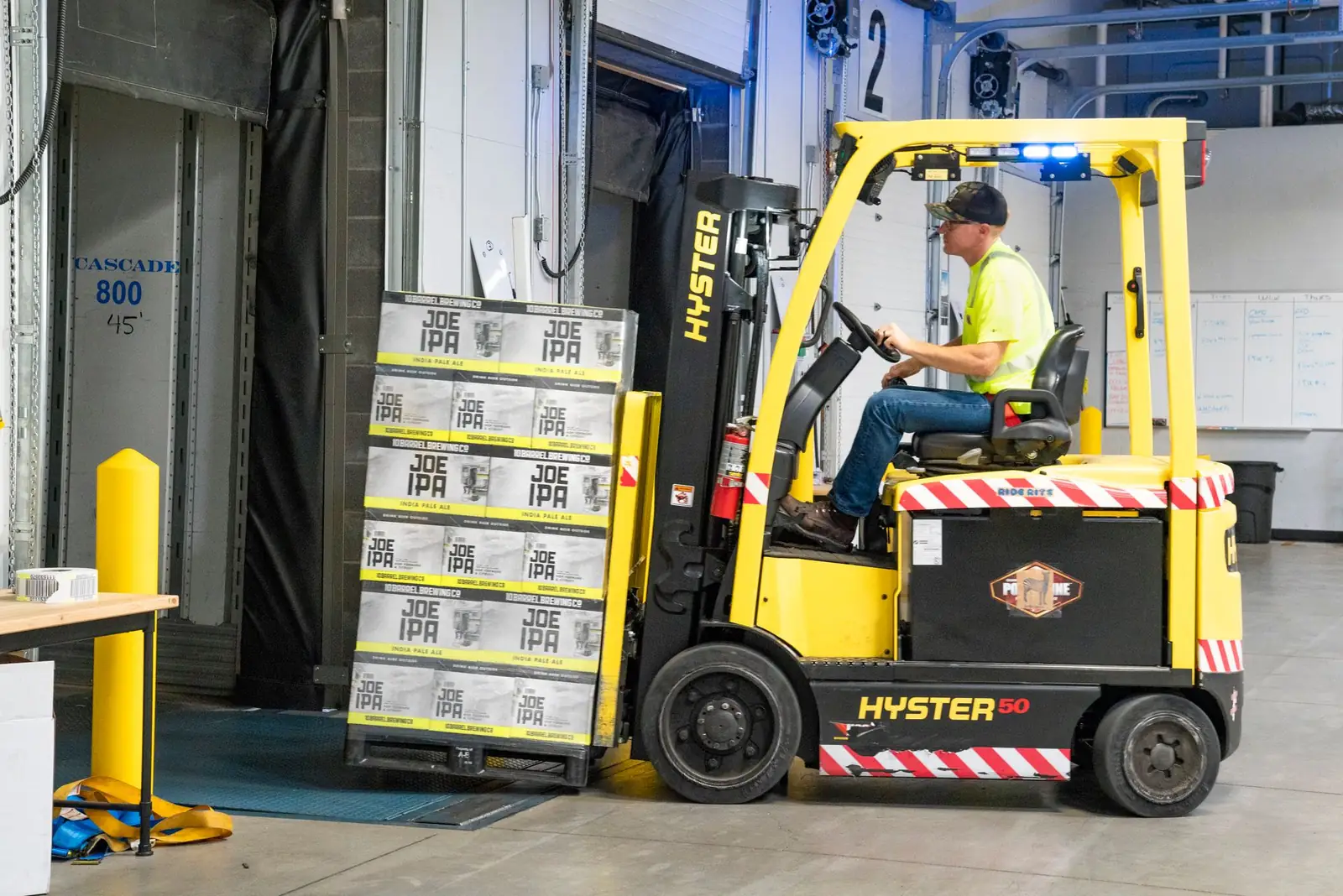
Equipment, automation and systems: we put your team in front of the operations and warehouse leaders investing in how they move, store, and pick product.
Ask Ava anything about selling to material handling buyers
Most material handling companies don't need another list of cold leads to chase. They need outsourced sales that books real meetings. We fold cold calling, email, and LinkedIn into one inside-sales engine, so you talk to the operations and warehouse leaders who have a real project, a real budget, and real intent.
Matches your ICP. No bottom-of-market noise.
The actual decision-maker, not a gatekeeper.
Active intent, budget approved, project underway.
Every operator we talk to is dealing with the same handful of growth bottlenecks. Here's what they sound like and what we do about them.
High-value systems have long, complex sales cycles.
We keep the funnel full and multi-threaded so pipeline stays predictable.
Your engineers are selling instead of designing.
We book qualified meetings so technical staff focus on solutions.
Referrals and trade shows aren't enough.
A year-round outbound engine adds qualified operations conversations.
Reaching the right operations buyer is hard.
We map and reach operations, engineering, and procurement owners.
Every program is built around your highest-value offerings: the service lines we put in front of qualified buyers so your team spends its time quoting real work.
Meetings for equipment and fleet sales.
Reaching buyers investing in automation.
Systems and storage project meetings.
Recurring service and support work.
The best material handling account runs a real fleet in a building it plans to stay in, works more than one shift, and is under pressure to move more product with the same people and space. That account buys service every month, rentals every peak, and equipment or systems when the capital plan allows.
Service and rentals are usually decided at the site by the warehouse or maintenance manager. Fleet replacements and systems projects go up to operations leadership, engineering and often procurement. Know which conversation you are having before you choose who to call.
Controls: The capital plan, throughput targets and automation decisions.
Cares about: Cost per unit moved, labor dependence and uptime across sites.
Gets involved: Annual capital planning, expansions and new facilities.
A plan to move more product without adding headcount or square footage.
Controls: The daily fleet, peak rentals and often the service vendor.
Cares about: Trucks that run, fast response and a safe floor.
Gets involved: Breakdowns, peak planning and budget input.
Fewer trucks down during the shifts that matter.
Controls: Service, planned maintenance and parts.
Cares about: Repair turnaround, parts availability and fewer repeat failures.
Gets involved: Service agreement renewals and repair-versus-replace decisions.
Planned maintenance that cuts emergency repairs.
Controls: Layout, storage, conveyor and automation projects.
Cares about: Payback, integration with existing systems, and not disrupting operations during install.
Gets involved: Project scoping, which can start well before budget is approved.
A clear look at where product slows down and what fixing it is worth.
Controls: Leases, national agreements and standardization across sites.
Cares about: Total cost, fewer vendors and consistent terms.
Gets involved: Lease expirations, RFQs and acquisitions.
One fleet program across sites, with data they can manage.
Controls: Operator training, pedestrian safety and incident follow-up.
Cares about: Avoiding injuries and audit findings.
Gets involved: After an incident, an audit or an insurance review.
Safer equipment and documented operator training.
Expansions and fleet age open the most doors. A new or bigger building needs equipment, storage and service from day one, and an aging fleet pushes repair costs up until someone has to decide what to replace.
Material handling runs several sales cycles at once. Rentals close in days when a peak or a breakdown hits. Service agreements renew on a schedule. Equipment purchases follow the capital plan, often set a year ahead. Systems projects take longest and involve engineering, operations and finance.
That means an account that just replaced its fleet is not a dead account. It still needs service, peak rentals and parts, and its next lease end date is known. Log the fleet age, brands, lease terms, peak months and who services it today, then come back when one of those dates gets close. A qualified appointment setting program is built for exactly this kind of dated, multi-year pipeline.
Incumbent dealers are often tied to a brand, and many customers are loyal to the brand. You rarely win the whole account at once. The usual path is service on other brands, peak rentals or a racking project first, then the fleet when the lease turns over. For the big projects, get in front of the capital plan before it is submitted.
Your best salespeople are usually technical, and their time is worth more scoping solutions than cold calling. An outsourced sales development team working as an extension of yours keeps the top of the funnel moving while they work deals. To size how many meetings a revenue target actually needs, the pipeline math framework works through the arithmetic.
Most objections in material handling reveal which buying cycle the account is in and who controls it. Use them to set the next date, not to argue.
What it tells you: The equipment cycle is closed for now, but you just learned when it will reopen.
Next step: Ask whether the trucks are leased and for how long, and who services them. Service and rentals may still be open.
What it tells you: Brand loyalty, a national agreement or a long relationship.
Next step: Ask how service response has been and what they do for peak rentals. Those are the common gaps.
What it tells you: The capital plan is set. The timing is the useful part.
Next step: Ask when next year’s capital plan is built and offer a fleet or layout assessment before it is submitted.
What it tells you: They are picturing a large system, not the specific bottleneck they have.
Next step: Ask where product slows down most: picking, storage density or the dock. Smaller projects often start there.
What it tells you: A reactive buyer with no planned maintenance today.
Next step: Be the number they call, and ask whether a no-cost fleet inspection would be useful before peak, if you offer one.
A qualified meeting is with the person who decides the category you sell, at a site that fits your territory and fleet profile, with a date or a problem that makes the meeting worth having. Abstrakt holds every meeting to Right Company, Right Contact and Right Timing, as described on our qualified appointment page.
Fleet size, operation type and location match your territory and offering.
Site manager for service and rentals; operations, engineering or procurement for capital and projects.
A lease end date, capital planning month, project date or upcoming peak.
Dealer, brands, fleet age and whether trucks are owned or leased.
Downtime, repair costs, capacity, labor or safety, in the prospect’s words.
A fleet assessment, site visit or project scoping session the prospect expects.
Selling across several regions? Pipeline Core runs the same qualification standard in every territory you serve.
A repeatable, transparent process, built and managed for you end to end.
We map your total addressable market, scoring accounts and 200+ buying-intent signals to find the ones most likely to need you now.
A dedicated U.S.-based SDR runs the cold calls, backed by email, LinkedIn, and customized direct-mail pieces: one orchestrated, phone-led motion.
Every interested contact is vetted against your ideal profile. Only real opportunities with real timing move forward.
The meeting lands with full context, and every touch is logged in your Results Portal.
A material-handling company partnered with Abstrakt to reach operations and warehouse decision-makers, adding qualified pipeline and, in one case, saving roughly $17,000 by booking enough work to justify a dedicated sales hire.
Client testimonials and verified reviews from the companies we grow.
Plug in your revenue goal and average deal size, and we'll show you the qualified meetings per month your pipeline needs to book. No form, no email, just the math.
Open the Business Growth Formula →The market, the buying committee, the in-market signals, and the pipeline math, backed by third-party research.
Read the white paper →Flat monthly pricing, territory exclusivity, and a meeting or activity guarantee in writing. For most material handling operators, a single closed contract covers the entire program.
Best for $2M–$10M revenue
For operators in a single territory who need consistent qualified meetings and have a closer on staff.
Best for $10M–$50M revenue
For operators ready to expand territory or hit aggressive growth targets. The program most partners run.
Best for $50M+ revenue
For material handling platforms and multi-site operators. Multi-SDR teams and multi-program orchestration.
Not sure which fits? One call and we'll recommend the right program for your market.
A quick call to see if your market is still open and whether we're the right fit. We'll walk you through how the program works. No long sales process, no obligation.
A quick 15-minute market & fit call.
The framework for reverse-engineering a revenue goal into the exact number of qualified meetings you need every week.
Read the Article →Our SDRs open the door. Our creative and inbound teams make sure what a buyer finds next, your website and the material your reps send, closes the gap.
Conversations for equipment and forklifts, automation and systems, racking/storage/conveyor projects, and service contracts.
Operations and warehouse leaders, engineering and automation buyers, and procurement/facilities.
Most lead-generation vendors sell leads: names and emails you chase. We sell booked meetings with qualified buyers, each verified against three checks: Right Company, Right Contact, Right Timing.
Most programs launch in 2–3 weeks and produce a first qualified meeting within 30–45 days, with full ramp by roughly day 60.
Both. We build the target list to match your footprint, from a single metro to several states.
All three, in whatever mix you want. Most dealers use outbound to open service and rental relationships and to learn lease dates, then turn those accounts into equipment and project opportunities.
Far enough that the warehouse manager is still planning, not already short of trucks. Ask each account when its peak starts and when it lines up rentals, then work back from that date.
Yes. We multi-thread the operations leader, the engineering or continuous improvement lead and procurement, because projects stall when only one of them is involved. Expect a longer cycle and plan nurture accordingly.
Usually. Warehouse and maintenance managers know their fleet well, and asking about it is a natural opening. The SDR records fleet size, brands, age and lease status in the handoff.
Getting Ava ready…
AI video guide. Your voice is processed by Tavus to run this conversation; we never use your camera. Calls end after 5 minutes. Privacy