You can't get in front of shippers who are shopping.
How Abstrakt fixes it
We reach supply-chain decision-makers on a steady cadence so you're in the RFP.
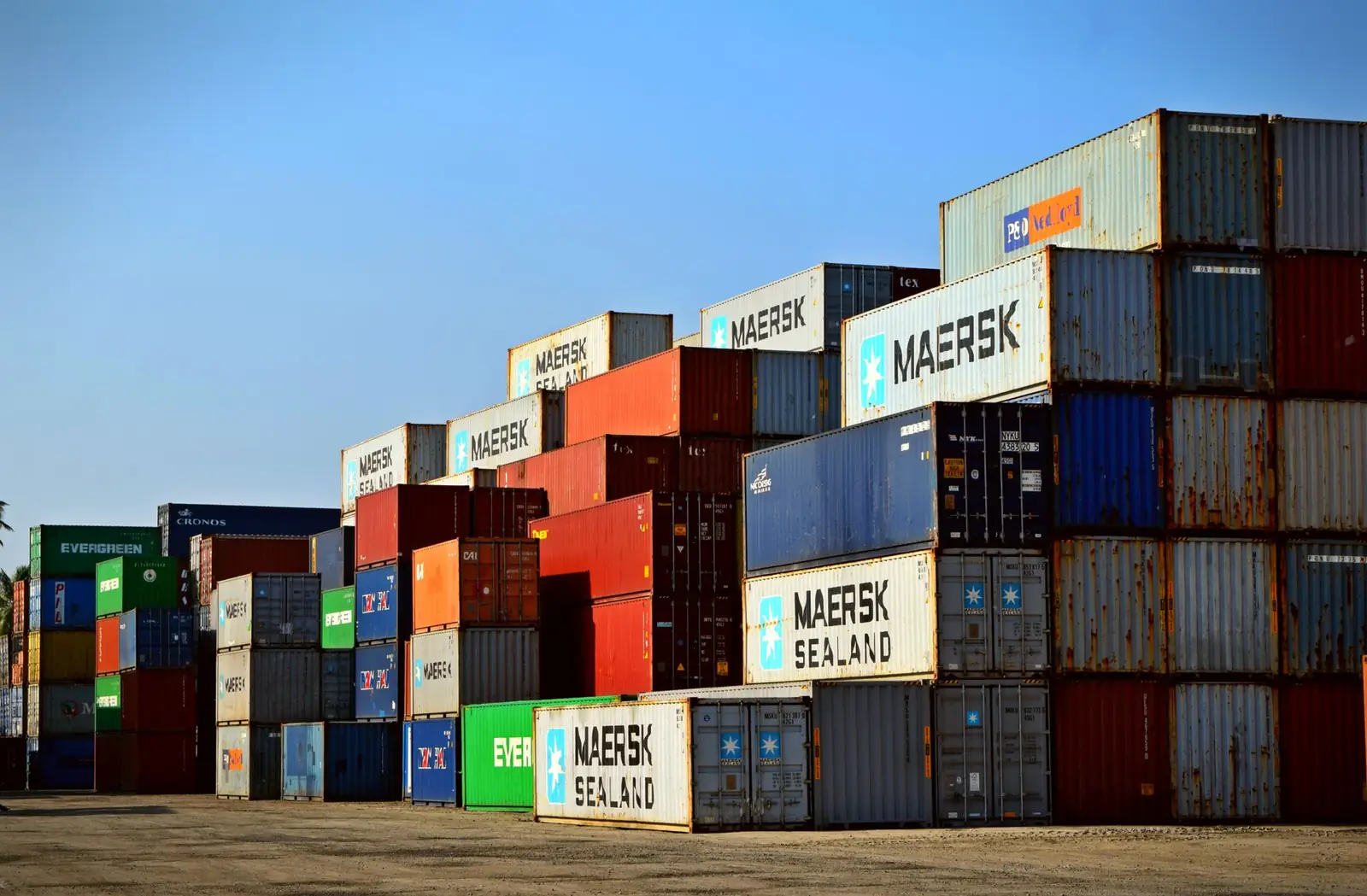
We put freight, warehousing and 3PL teams in front of the shippers and supply-chain leaders actively shopping their lanes and providers.
Ask Ava anything about selling to logistics buyers
Most logistics & supply chain companies don't need another list of cold leads to chase. They need outsourced sales that books real meetings. We fold cold calling, email, and LinkedIn into one inside-sales engine, so you talk to the shippers and supply-chain leaders who have a real project, a real budget, and real intent.
Matches your ICP. No bottom-of-market noise.
The actual decision-maker, not a gatekeeper.
Active intent, budget approved, project underway.
Every operator we talk to is dealing with the same handful of growth bottlenecks. Here's what they sound like, and what we do about them.
You can't get in front of shippers who are shopping.
We reach supply-chain decision-makers on a steady cadence so you're in the RFP.
Sales cycles are long and relationship-led.
We keep the funnel full and multi-threaded so pipeline stays predictable.
Referrals can't scale your book.
Outbound adds qualified shipper conversations every month.
Reaching the right buyer is hard.
We map and reach supply-chain, logistics, and procurement owners.
Every program is built around your highest-value offerings, the service lines we put in front of qualified buyers so your team spends its time quoting real work.
Meetings with shippers evaluating capacity.
Reaching companies needing fulfillment and storage.
Meetings for dedicated and managed programs.
Reaching specialized and cross-border needs.
Shippers whose freight, storage or fulfillment needs match the lanes, modes and capabilities you run well. A freight broker, an asset carrier and a fulfillment 3PL need very different lists, so the profile starts with what you do best and then finds shippers whose volume looks like it.
Our guide to building a B2B ideal customer profile shows how we turn modes, lanes and volume into a target list.
Whoever owns the freight budget or the building, plus the people who feel service failures. At larger shippers that is a logistics or transportation team, with procurement running the bid. At smaller ones it is the operations manager or the owner.
Controls: Network strategy, provider mix and the bid calendar.
Cares about: Total landed cost, service levels and supply risk.
When involved: Strategy reviews and periodic bids.
Controls: Daily carrier selection, the routing guide and spot freight.
Cares about: Tenders getting covered, on-time pickups and accurate tracking.
When involved: Every day. The best source of lane detail and service pain, and the person who can give you a trial load.
Controls: Dock scheduling, inbound and outbound flow, overflow space.
Cares about: Congestion, labor and carriers who miss appointments.
When involved: When capacity runs short or carriers keep missing.
Controls: The RFP process, contracts, rates and insurance requirements.
Cares about: Price, compliance and a clean onboarding.
When involved: At bid time and onboarding.
Controls: All of the above.
Cares about: Cost, and not losing customers to late deliveries.
When involved: Throughout.
Service failures, network changes and the bid calendar. A shipper whose providers are performing does not want a new vendor, so the meeting comes from a problem or a planned review.
Around bids, trials and peak season. Contract freight and warehouse business is usually awarded through an RFP or a structured review, and new providers often earn trust on spot or overflow freight first.
For freight, the usual path is an introductory conversation, getting set up as an approved carrier or broker, spot or backup loads, performance on those loads, then lanes in the next bid. For warehousing and fulfillment, it is a requirements conversation, a site visit, pricing built on volume and handling profile, and a transition plan. Transitions are planned around peak season, not during it.
There is rarely a new budget to find. Freight spend already exists, and the bid calendar and contract terms decide when it can move. Warehouse agreements often run for multiple years, so learn the end date.
Shippers rarely move everything at once. You win a lane, a region or an overflow role, perform, and expand in the next bid.
"We're set for this year" tells you when the next bid is. Record the bid month, the incumbent providers, the lanes discussed and any service complaints, then reach out ahead of the next RFP so you are on the invite list. Pipeline Core keeps those accounts in a phone, email, LinkedIn and direct mail cadence, and Growth clients get nurture for up to 18 months, long enough to span a bid cycle.
Shipper objections mostly tell you where they are in the bid cycle and whether price or service is the real measure. Use the answer to set the next touch.
What it tells you: A structured shipper with a routing guide and an approved provider list.
Next step: Ask how to get on the list and which lanes see tenders rejected. Offer to be the backup on problem lanes.
What it tells you: Either they see you as a commodity, or a specific lane is in trouble.
Next step: Ask which lanes and volumes, and quote those instead of sending a rate sheet. Ask what service level they need.
What it tells you: The timing.
Next step: Ask when the next one is and how to be included, and which lanes were hard to award.
What it tells you: Single-provider risk, or a consolidated relationship they value.
Next step: Ask what happens at peak and whether they have a backup if the 3PL runs out of space or labor.
What it tells you: They are comparing linehaul rates, not claims, detention, accessorials and missed deliveries.
Next step: Ask what last quarter's misses cost them. If price is the only measure, qualify out.
A qualified meeting is with the person who awards freight or warehouse business, at a shipper whose lanes, volume and product fit your network, with a bid date, a service problem or a network change that gives them a reason to talk.
That is the bar for every qualified appointment we book through our appointment setting service. To work out how many of those meetings your revenue goal needs, start with our pipeline math guide.
A repeatable, transparent process, built and managed for you end to end.
We map your total addressable market, scoring accounts and 200+ buying-intent signals to find the ones most likely to need you now.
A dedicated U.S.-based SDR runs the cold calls, backed by email, LinkedIn, and customized direct-mail pieces, one orchestrated, phone-led motion.
Every interested contact is vetted against your ideal profile. Only real opportunities with real timing move forward.
The meeting lands with full context, and every touch is logged in your Results Portal.
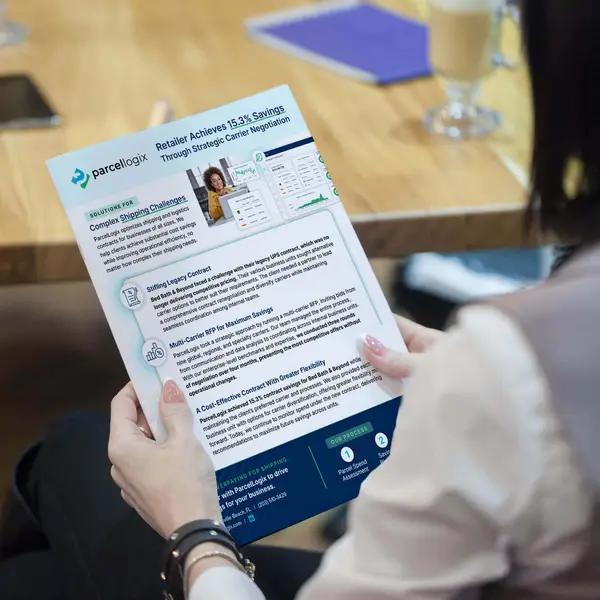
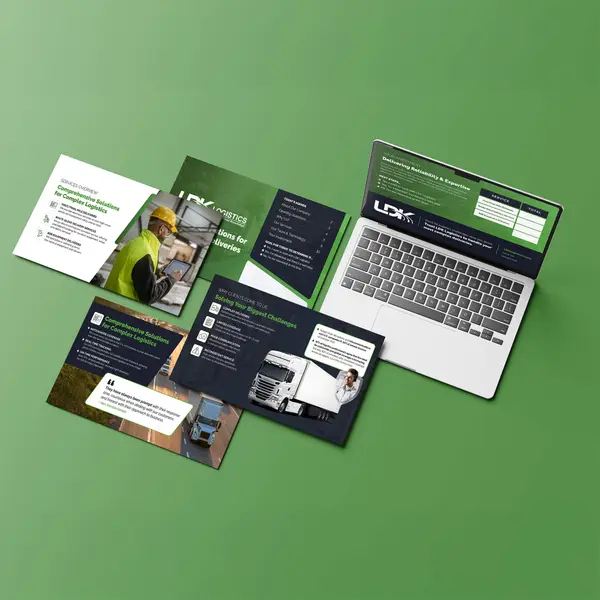
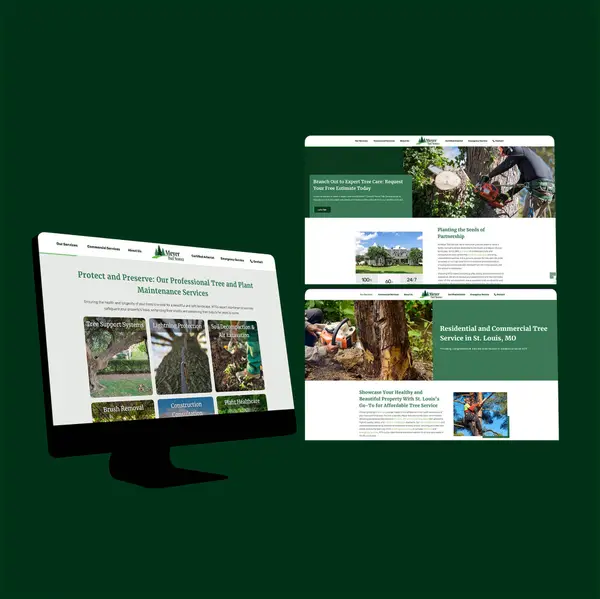
A logistics company partnered with Abstrakt to pair outbound with sharper collateral and content, growing visibility and reaching the shippers actively evaluating their lanes.
Client testimonials and verified reviews from the companies we grow.
Plug in your revenue goal and average deal size, and we'll show you the qualified meetings per month your pipeline needs to book. No form, no email, just the math.
Open the Business Growth Formula →The market, the buying committee, the in-market signals, and the pipeline math, backed by third-party research.
Read the white paper →Flat monthly pricing, territory exclusivity, and a meeting or activity guarantee in writing. For most logistics & supply chain operators, a single closed contract covers the entire program.
Best for $2M–$10M revenue
For operators in a single territory who need consistent qualified meetings and have a closer on staff.
Best for $10M–$50M revenue
For operators ready to expand territory or hit aggressive growth targets. The program most partners run.
Best for $50M+ revenue
For national 3PLs and multi-site logistics providers. Multi-SDR teams and multi-program orchestration.
Not sure which fits? One call and we'll recommend the right program for your market.
A quick call to see if your market is still open and whether we're the right fit. We'll walk you through how the program works, no long sales process, no obligation.
A quick 15-minute market & fit call.
The framework for reverse-engineering a revenue goal into the exact number of qualified meetings you need every week.
Read the Article →Our SDRs open the door. Our creative and inbound teams make sure what a buyer finds next, your website and the material your reps send, closes the gap.
Conversations with shippers evaluating freight, warehousing/3PL, dedicated transport, and specialized logistics.
VPs and directors of supply chain, logistics and transportation managers, and procurement leaders.
Most agencies sell leads, names and emails you chase. We sell booked meetings with qualified buyers, each verified against three checks: Right Company, Right Contact, Right Timing.
Most programs launch in 2–3 weeks and produce a first qualified meeting within 30–45 days, with full ramp by roughly day 60.
Both. Whether you serve a single metro or operate across multiple states, we build the target list to match your footprint.
Yes. The target list, the contacts and the questions change with the service. Brokerage programs focus on transportation managers and problem lanes, asset carriers on dedicated and contract lanes in their network, and warehouse and fulfillment providers on space, volume and lease timing.
By asking. Transportation and supply chain managers will often share the bid month and how providers get invited. We record it with the incumbent providers and lanes discussed, so outreach resumes before the next bid opens.
Yes. For shippers with a peak, outreach is planned so conversations happen while capacity for the next peak is still being decided, not once the season has started.
If they fit your profile, yes. Smaller shippers are often decided by the owner or operations manager rather than a procurement team, which can make the path to a first load shorter.
Getting Ava ready…
AI video guide. Your voice is processed by Tavus to run this conversation; we never use your camera. Calls end after 5 minutes. Privacy